Lung Tumours Successfully Treated by Integrative & Holistic Treatment

NAME:
Lai Sui Ah
PLACE:
Kuala Lumpur
WORK:
Chef, Retired
TREATMENT CASE SUMMARY
PRE-TREATMENT
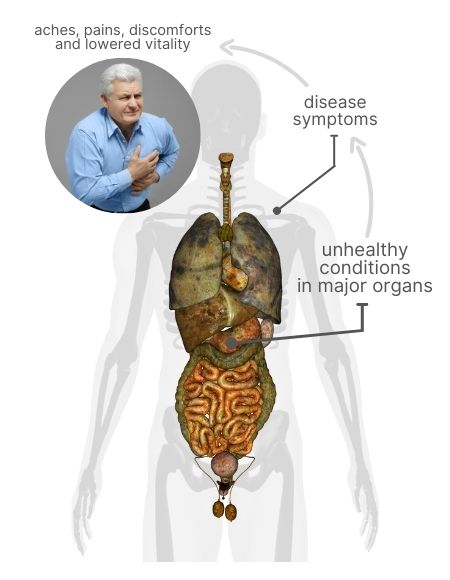
Disease Symptoms
- ☹︎Breathlessness
- ☹︎Chest pain
- ☹︎Chronic coughs with phlegm
- ☹︎Bloating
- ☹︎Constipation
- ☹︎Indigestion
- ☹︎Back pain
- ☹︎Neck pain
- ☹︎Right foot pain
- ☹︎Headaches
- ☹︎Left wrist pain
- ☹︎Vertigo
- ☹︎Dizziness & loss of balance
- ☹︎Cold intolerance
- ☹︎Panic attacks
- ☹︎Leg cramps
- ☹︎Drug adverse reaction
Medical Conditions
- 🩺Lung tumours
- 🩺Ischemic heart disease
- 🩺High blood pressure
- 🩺High cholesterol
- 🩺Irritable bowel syndrome
- 🩺Food intolerance
- 🩺Anxiety disorder
- 🩺Vertigo
Medications
- Cholesterol medications
- High blood pressure medications
- Gastric medications
- Anti-platelet medications
- Anti-angina medications
- Anti-anxiety medications
POST-TREATMENT
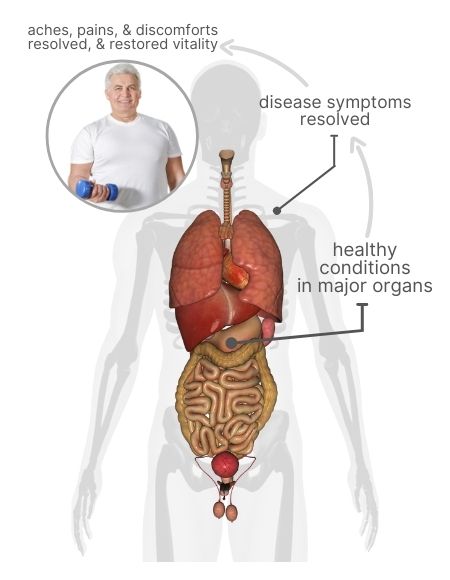
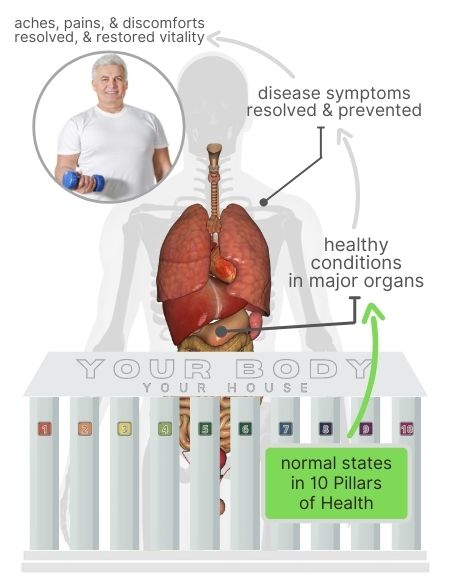
Disease Symptoms
- ☺︎Breathlessness - Resolved 90%.
- ☺︎Chest pain - Resolved 100%.
- ☺︎Chronic coughs with phlegm - Resolved 90%.
- ☺︎Bloating - Resolved 100%.
- ☺︎Constipation - Resolved 100%.
- ☺︎Indigestion - Resolved 100%.
- ☺︎Back pain - Resolved 100%.
- ☺︎Neck pain - Resolved 100%.
- ☺︎Right foot pain - Resolved 100%.
- ☺︎Headaches - Resolved 100%.
- ☺︎Left wrist pain - Resolved 100%.
- ☺︎Vertigo - Resolved 100%.
- ☺︎Dizziness & loss of balance - Resolved 100%.
- ☺︎Cold intolerance - Resolved 90%.
- ☺︎Panic attacks - Resolved 90%.
- ☺︎Leg cramps - Resolved 100%.
- ☺︎Drug adverse reaction - Resolved 100%.
Medical Conditions
- 🩺Lung tumours - Resolved 80%.
- 🩺Ischemic heart disease - Resolved 90%.
- 🩺High blood pressure - Resolved 70%.
- 🩺High cholesterol - Resolved 100%.
- 🩺Irritable bowel syndrome - Resolved 100%.
- 🩺Food intolerance - Resolved 100%.
- 🩺Anxiety disorder - Resolved 90%.
- 🩺Vertigo - Resolved 100%.
Medications
- Cholesterol medications - Weaned off 100%.
- High blood pressure medications - Weaned off 50%.
- Gastric medications - Weaned off 100%.
- Anti-platelet medications - Weaned off 50%.
- Anti-angina medications - Weaned off 50%.
- Anti-anxiety medications - Weaned off 100%.
PATIENT TESTIMONY
TREATMENT EFFECTIVENESS
SERVICE QUALITY
DOCTOR
STAFF
PRICE
RECOMMENDED
DOCTOR
STAFF
PRICE
RECOMMENDED


DOCTOR'S CASE PRESENTATION
PATIENT CASE DETAILS
PRE-DISEASE LIFESTYLE
Food
Heavy meat-based diet, with little attention to wholesome food.
Nutrition
Standard over-the-counter pharmacy supplements only.
Exercise
No regular or structured exercise routine.
Environment
Typical urban home environment in Kuala Lumpur.
Rest
Normal sleep but with occasional stress & sleeping difficulties.
Mind & Emotions
Typical city-life community related stress.
Periodic Detoxification
None.
Periodic Medical Screening
Only when visiting doctors for specific health concerns.
MEDICAL HISTORY
(Prior to treatment in Heal Within®)
🗓 – Over Several Years Pre 2025.
Symptoms: Breathlessness, chest pain, chronic coughs with phlegm, bloating, constipation, indigestion, back pain, neck pain, headaches, leg cramps, dizziness, cold intolerance, panic attacks, pain across multiple body parts.
Sought treatment at: Conventional doctors and clinics.
Diagnosis: Ischemic heart disease, high blood pressure, high cholesterol, anxiety disorder, gastric problems, fibromyalgia, vertigo.
Treatment administered: Cholesterol medications, high blood pressure medications, anti-platelet medications, anti-angina medications, gastric medications, anti-anxiety medications.
Result: Symptoms partially controlled but not resolved. Health continued to deteriorate over time despite ongoing medications.
🗓 – Early 2025.
Symptoms: All prior symptoms persisting, with discovery of lung tumours on medical imaging.
Sought treatment at: Hospital.
Diagnosis: Lung tumours.
Treatment administered: Conventional hospital intervention proposed.
Result: Family decided against conventional hospital treatment and sought an integrative approach instead.
🗓 – April 2025.
Symptoms: All symptoms as listed above.
Sought treatment at: Heal Within®.
Diagnosis: Read in full case details below.
Treatment administered: Read in full case details below.
Result: Read in full case details below.
TREATMENT IN HEAL WITHIN®
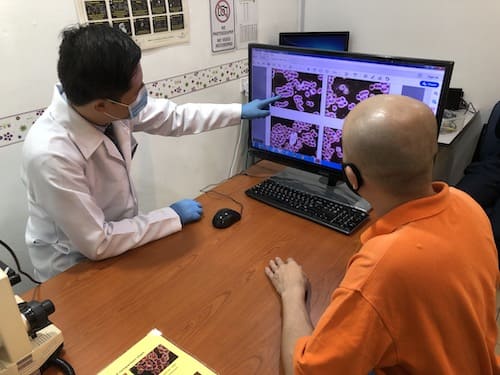
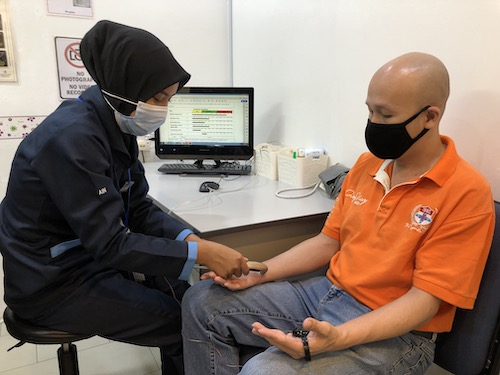
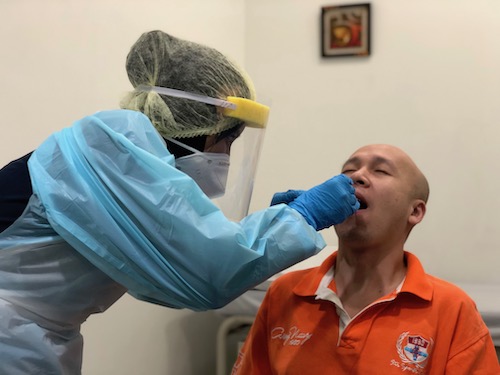
PHASE 1: DIAGNOSIS
1. Vitality Factors
*100% represents optimal level for patients’s genetics, gender & age.
2. Disease Symptoms
- ☹︎Breathlessness
- ☹︎Chest pain
- ☹︎Chronic coughs with phlegm
- ☹︎Bloating
- ☹︎Constipation
- ☹︎Indigestion
- ☹︎Back pain
- ☹︎Neck pain
- ☹︎Right foot pain
- ☹︎Headaches
- ☹︎Left wrist pain
- ☹︎Vertigo
- ☹︎Dizziness & loss of balance
- ☹︎Cold intolerance
- ☹︎Panic attacks
- ☹︎Leg cramps
- ☹︎Drug adverse reaction
3. Medical Conditions (Diseases)
- 🩺Lung tumours
- 🩺Ischemic heart disease
- 🩺High blood pressure
- 🩺High cholesterol
- 🩺Irritable bowel syndrome
- 🩺Food intolerance
- 🩺Anxiety disorder
- 🩺Vertigo
4. Medications
(Prescribed by other doctors Prior to Heal Within®)
- Cholesterol medications
- High blood pressure medications
- Gastric medications
- Anti-platelet medications
- Anti-angina medications
- Anti-anxiety medications
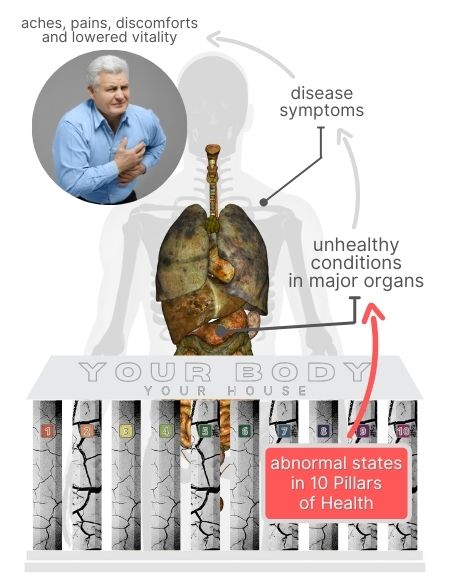
5. Root-causes to Medical Conditions
◉ Gut dysbiosis & acidosis
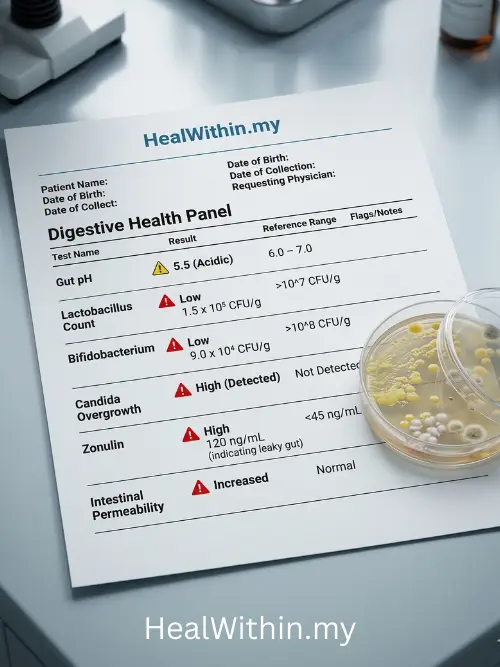
What it is:
Gut dysbiosis is a disruption to the gut microbiome — the vast community of bacteria, fungi, and other microorganisms that live in the digestive tract — resulting in an imbalance that impairs their normal protective and metabolic functions. Gut acidosis is an over-acidification of the gut environment that further destabilises this microbial balance and weakens the gut lining. Together, these two conditions create a chronically inflamed, poorly functioning digestive system that affects the health of the entire body.
Triggers / Sources:
Regular consumption of outside food high in preservatives, additives and refined ingredients; absence of a wholesome diet; no periodic detoxification; and reliance on standard over-the-counter supplements insufficient to maintain gut microbial balance.
Mechanism:
When gut dysbiosis and acidosis take hold, they trigger a cascade of inflammatory and degenerative processes that extend far beyond the digestive system. The compromised gut barrier — commonly known as leaky gut — allows bacterial toxins and undigested proteins to enter the bloodstream, activating chronic systemic inflammation. This inflammation, combined with impaired nutrient absorption and disrupted immune regulation, becomes a foundational root cause driving multiple diseases simultaneously throughout the body.
Lung Tumours — Development & Progression:
- Chronic gut dysbiosis impairs immune surveillance — the body’s ability to detect and destroy abnormal cells
- Bacterial toxins and inflammatory compounds enter systemic circulation through the leaky gut barrier
- These compounds reach the lungs via the bloodstream, creating a pro-inflammatory environment in lung tissue
- Chronic inflammation in lung tissue promotes oxidative stress and DNA damage in lung cells
- Damaged lung cells begin to replicate abnormally, forming tumour growths over time
- A compromised immune system is unable to mount an effective response to suppress tumour progression
Ischemic Heart Disease — Development & Progression:
- Gut dysbiosis increases production of trimethylamine N-oxide (TMAO), a compound strongly linked to arterial plaque formation
- Inflammatory bacterial toxins enter the bloodstream and trigger chronic vascular inflammation
- Inflamed arterial walls become vulnerable to lipid infiltration and plaque build-up
- Progressive plaque accumulation narrows the coronary arteries, reducing blood flow to the heart muscle
- Reduced oxygen supply to the heart causes ischemia — the hallmark of ischemic heart disease
- Gut-driven chronic inflammation accelerates arterial stiffening and further compromises cardiac function
High Blood Pressure — Development & Progression:
- Gut dysbiosis reduces production of short-chain fatty acids (SCFAs), which help regulate blood vessel tone
- Inflammatory compounds from the gut enter circulation and promote vascular inflammation
- Inflamed blood vessels lose elasticity and become progressively stiffer
- The kidneys, affected by systemic inflammation, begin to dysregulate sodium and fluid balance
- Increased vascular resistance and fluid retention drive blood pressure upward
- The renin-angiotensin system becomes overactivated, sustaining chronically elevated blood pressure
High Cholesterol — Development & Progression:
- Gut dysbiosis disrupts the enterohepatic circulation — the recycling of bile acids between the gut and liver
- Impaired bile acid metabolism forces the liver to compensate by producing more cholesterol
- Systemic inflammation from the leaky gut further dysregulates liver lipid metabolism
- The liver increases output of LDL cholesterol as part of its inflammatory repair response — high cholesterol is not a disease but a protective response to unresolved root causes
- Reduced gut bacterial diversity impairs cholesterol breakdown and excretion
- Cholesterol levels remain persistently elevated as long as the underlying gut dysfunction is unresolved
Irritable Bowel Syndrome — Development & Progression:
- Gut dysbiosis directly disrupts the balance of bacteria lining the intestinal wall
- Overgrowth of harmful bacteria produces gas, toxins, and inflammatory compounds within the gut
- The intestinal lining becomes inflamed and hypersensitive to normal digestive stimuli
- Gut motility becomes erratic — alternating between constipation and loose stools
- Visceral hypersensitivity causes bloating, cramping, and abdominal discomfort after eating or drinking
- The enteric nervous system becomes chronically dysregulated, perpetuating IBS symptoms
Anxiety Disorder — Development & Progression:
- The gut and brain are directly connected via the gut-brain axis — the vagus nerve and the enteric nervous system
- Gut dysbiosis disrupts the production of neurotransmitters, particularly serotonin, of which approximately 90% is produced in the gut
- Reduced serotonin availability impairs mood regulation and emotional stability
- Chronic gut inflammation sends distress signals to the brain via the gut-brain axis
- The brain enters a state of heightened alertness and stress reactivity
- Over time, this dysregulation manifests as persistent anxiety, panic attacks, and emotional instability
◉ Toxicity (Organic / Inorganic / Heavy Metals)
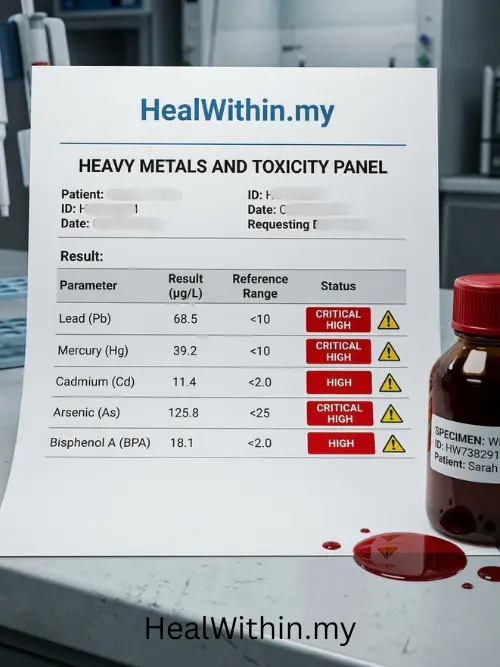
What it is:
Toxicity is the accumulation of harmful substances — heavy metals, organic toxins, and chemical compounds — in the body’s tissues and organs. When the body’s detoxification capacity is overwhelmed, these substances build up over time, disrupting cellular function, immune response, and organ integrity. Heavy metals such as mercury, lead, and cadmium are particularly destructive, binding to enzymes and proteins and interfering with biological processes throughout the body.
Triggers / Sources:
Decades of occupational exposure to cooking fumes and combustion by-products; long-term use of non-stick cookware at high heat; meat-heavy diet over many years; prolonged use of multiple pharmaceutical medications; no periodic detoxification throughout life.
Mechanism:
When toxic substances accumulate in the body over years and decades, they interfere with the normal function of cells, tissues, and organs at the most fundamental level. Heavy metals displace essential minerals from enzyme binding sites, rendering critical biological processes non-functional. Organic toxins and chemical compounds generate excessive free radicals, driving oxidative stress and chronic inflammation throughout the body. Without periodic detoxification, this toxic burden compounds over time — becoming a powerful root cause that silently drives the development and progression of multiple chronic diseases simultaneously.
Lung Tumours — Development & Progression:
- Decades of inhaling cooking fumes and combustion by-products deposits carcinogenic compounds directly into lung tissue
- These compounds generate chronic oxidative stress and free radical damage within lung cells
- DNA damage accumulates in lung cells over time, disrupting normal cell replication control mechanisms
- Heavy metals such as cadmium and arsenic — known pulmonary carcinogens — further damage lung cell DNA
- The immune system, itself compromised by toxic overload, loses its ability to detect and eliminate abnormal cells
- Uncontrolled replication of damaged cells leads to tumour formation in the lungs
Ischemic Heart Disease — Development & Progression:
- Heavy metals accumulating in the bloodstream directly damage the inner lining of blood vessel walls
- Damaged arterial endothelium triggers an inflammatory repair response, promoting plaque formation
- Toxic compounds displace essential minerals such as magnesium and zinc that protect cardiovascular function
- Progressive plaque build-up narrows the coronary arteries, restricting blood flow to the heart
- Oxidative stress from accumulated toxins accelerates arterial stiffening and atherosclerosis
- Reduced coronary blood flow causes ischemia — oxygen starvation of the heart muscle
High Blood Pressure — Development & Progression:
- Heavy metals — particularly lead and cadmium — directly impair kidney function and sodium regulation
- Disrupted kidney function leads to fluid retention and increased blood volume
- Toxic compounds damage arterial walls, reducing their elasticity and increasing vascular resistance
- Heavy metal accumulation activates the renin-angiotensin-aldosterone system, raising blood pressure
- Chronic oxidative stress from toxins sustains vascular inflammation and arterial stiffness
- Blood pressure remains persistently elevated as the toxic burden in vessel walls and kidneys goes unresolved
High Cholesterol — Development & Progression:
- Toxic overload impairs liver function — the organ responsible for regulating cholesterol production and clearance
- A toxin-burdened liver becomes less efficient at processing and eliminating LDL cholesterol from the blood
- The liver increases cholesterol production as part of its cellular repair response to toxic damage — high cholesterol is not a disease but a protective response to unresolved root causes
- Heavy metals displace essential cofactors needed for normal lipid metabolism
- Oxidative stress from toxins disrupts the conversion of LDL to less harmful forms
- Cholesterol levels remain elevated as long as the liver remains burdened by accumulated toxins
Vertigo — Development & Progression:
- Heavy metals accumulating in the inner ear disrupt the delicate fluid and cellular structures of the vestibular system
- Neurotoxic compounds impair the function of the vestibulocochlear nerve, which governs balance and spatial orientation
- Toxic-driven inflammation in and around the inner ear destabilises balance signalling to the brain
- The brain receives inconsistent and unreliable positional signals, causing disorientation
- Oxidative damage from toxins further degrades the sensory hair cells responsible for balance perception
- Persistent vertigo and dizziness result from the accumulation of neurotoxic metals in the vestibular pathway
◉ Essential-nutrients deficiency
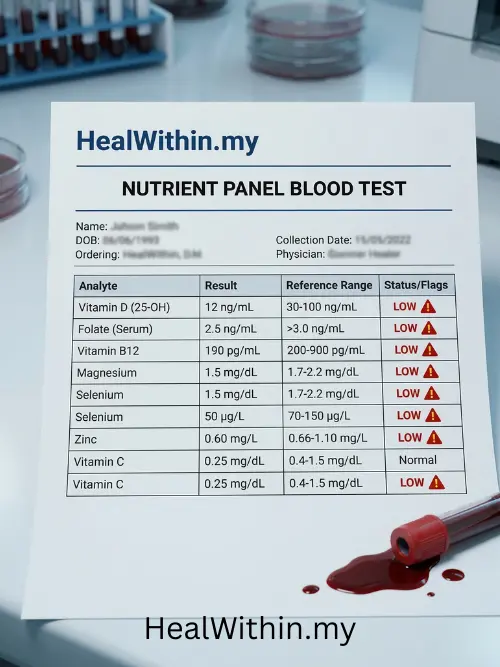
What it is:
Essential nutrients deficiency is the inadequate availability of proteins, vitamins, minerals, and essential fats in the blood and organ tissues. These nutrients are the raw materials the body depends on to maintain cellular integrity, power organ function, regulate immunity, and repair damage. Without a sufficient and continuous supply, the body’s ability to heal, protect itself, and sustain normal function progressively deteriorates.
Triggers / Sources:
Long-term meat-heavy, low-variety diet; inadequate intake of fresh vegetables, fruits, and wholesome foods; no full-spectrum nutritional supplementation; poor nutrient absorption due to chronic gut dysbiosis; prolonged use of multiple medications that deplete key nutrients over time.
Mechanism:
When essential nutrients are chronically deficient, the body is forced to function without the building blocks it needs for repair, regulation, and defence. Enzyme systems fail, cellular membranes deteriorate, immune function weakens, and tissue integrity breaks down. Over time, this nutritional depletion becomes a compounding root cause that creates the conditions for multiple chronic diseases to develop and progress simultaneously.
Lung Tumours — Development & Progression:
- Deficiency of antioxidant nutrients — vitamins C, E, selenium, and zinc — allows unchecked free radical damage to lung cells
- Inadequate vitamin D impairs immune surveillance, reducing the body’s ability to detect and eliminate abnormal cells
- Low folate and B-vitamin levels compromise DNA repair mechanisms in lung tissue
- Essential fatty acid deficiency promotes a pro-inflammatory environment in the lungs
- Without sufficient nutrients to support immune function, abnormal cell replication goes unchecked
- Tumour development and progression accelerate in a nutrient-depleted, inflammation-prone environment
Ischemic Heart Disease — Development & Progression:
- Magnesium deficiency causes arterial spasm and impairs heart rhythm regulation
- Low vitamin C impairs collagen synthesis, weakening arterial wall integrity
- Deficiency of B vitamins — particularly B6, B12, and folate — elevates homocysteine, a major driver of arterial damage
- Inadequate omega-3 fatty acids increases vascular inflammation and promotes plaque formation
- Low CoQ10 impairs mitochondrial energy production in heart muscle cells
- The heart muscle, starved of essential nutrients, weakens progressively — accelerating ischemic deterioration
High Blood Pressure — Development & Progression:
- Magnesium and potassium deficiency impair the relaxation of blood vessel smooth muscle
- Low vitamin D dysregulates the renin-angiotensin system, promoting blood pressure elevation
- Deficiency of essential fatty acids increases vascular inflammation and reduces arterial flexibility
- Inadequate antioxidants allow oxidative damage to blood vessel walls, increasing vascular resistance
- Low calcium and magnesium disrupt the electrolyte balance necessary for normal blood pressure regulation
- Blood pressure remains persistently elevated as nutrient deficiencies sustain vascular dysfunction
High Cholesterol — Development & Progression:
- Deficiency of B vitamins impairs liver metabolism of fats and cholesterol
- Low magnesium reduces the activity of enzymes responsible for cholesterol regulation
- Inadequate antioxidants allow LDL cholesterol to become oxidised — its most damaging form
- Essential fatty acid deficiency disrupts the balance between HDL and LDL cholesterol
- The liver, lacking key nutrient cofactors, cannot efficiently clear excess cholesterol from the bloodstream — high cholesterol is not a disease but a protective response to unresolved root causes
- Cholesterol dysregulation persists as long as the nutrient deficiencies driving it remain unaddressed
◉ Low Oxygenation
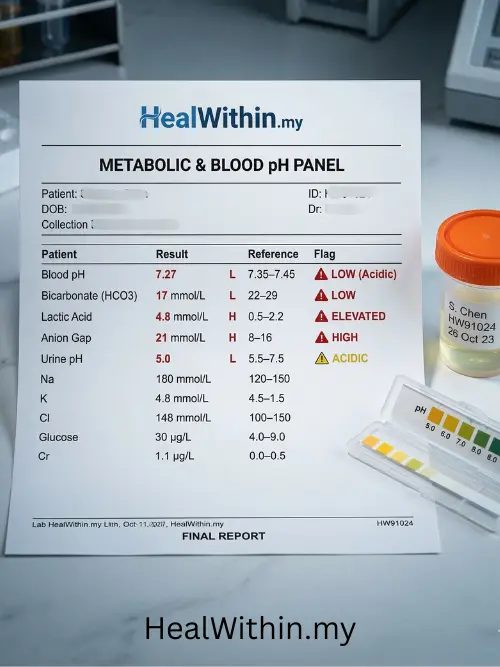
What it is:
Low oxygenation is the insufficient delivery of oxygen to the body’s cells, tissues, and organs. Every cell in the body depends on a continuous and adequate oxygen supply to produce energy, carry out repair, and sustain normal function. When oxygen delivery is chronically reduced — whether due to poor circulation, compromised lung function, arterial blockages, or a toxic and nutrient-depleted internal environment — cells shift into a stressed, dysfunctional state that creates the conditions for chronic disease to develop and worsen.
Root-causes / Sources:
Compromised lung function from long-term exposure to cooking fumes and smoke; reduced cardiac output from ischemic heart disease; poor peripheral circulation from arterial plaque and vascular inflammation; sedentary lifestyle with no regular exercise; heavy toxic load reducing cellular oxygen utilisation efficiency.
Mechanism:
When cells are chronically deprived of adequate oxygen, their mitochondria — the energy-producing engines of the cell — cannot function optimally. Energy production falls, waste products accumulate, and cellular repair slows to a halt. In this oxygen-starved environment, inflammation escalates, tissues degenerate, and the immune system loses its effectiveness. Chronic low oxygenation is a powerful and often overlooked root cause that silently accelerates the progression of multiple diseases throughout the body simultaneously.
Lung Tumours — Development & Progression:
- Chronic low oxygen in lung tissue triggers a state of cellular hypoxia — a known driver of tumour development
- Hypoxic lung cells activate HIF-1α (hypoxia-inducible factor), a protein that promotes abnormal cell survival and proliferation
- Oxygen-deprived cells shift to anaerobic metabolism, producing an acidic, pro-tumour microenvironment
- Hypoxia suppresses immune surveillance, preventing the body from detecting and eliminating abnormal cells
- Tumour cells thrive in low-oxygen conditions and develop resistance to normal cell death signals
- Tumour progression accelerates as hypoxia promotes new blood vessel formation to feed growing tumour tissue
Ischemic Heart Disease — Development & Progression:
- Arterial plaque from vascular inflammation progressively narrows the coronary arteries
- Narrowed arteries reduce blood flow and oxygen delivery to the heart muscle
- Oxygen-deprived heart muscle cells begin to lose function, causing chest pain and breathlessness
- Chronic ischemia triggers inflammatory repair responses that paradoxically accelerate further plaque formation
- Heart muscle cells, starved of oxygen over time, undergo irreversible damage and scarring
- Cardiac function deteriorates progressively as oxygen deprivation compounds with each passing year
High Blood Pressure — Development & Progression:
- Low oxygenation triggers the body to compensate by increasing cardiac output and vascular tone
- The heart pumps harder to circulate more blood in an attempt to deliver adequate oxygen to tissues
- Chronically elevated cardiac effort raises systemic blood pressure
- Oxygen-deprived blood vessel walls lose elasticity, increasing peripheral vascular resistance
- The kidneys, sensing reduced oxygen delivery, activate hormonal pathways that further raise blood pressure
- A self-reinforcing cycle of low oxygen and elevated blood pressure sustains and worsens hypertension
Anxiety Disorder — Development & Progression:
- The brain is the most oxygen-dependent organ in the body, consuming approximately 20% of the body’s total oxygen supply
- Chronic low oxygenation reduces energy production in brain cells, impairing neurotransmitter synthesis and signalling
- Oxygen-deprived brain cells generate increased oxidative stress, accelerating neurological dysfunction
- Reduced oxygen to the prefrontal cortex impairs rational thought, emotional regulation, and stress modulation
- The amygdala — the brain’s fear and threat-detection centre — becomes hyperactivated under oxygen-deficient conditions
- Chronic anxiety, heightened stress reactivity, and panic attacks result from sustained cerebral oxygen insufficiency
* Learn more about the 10 Root Causes to Diseases.
PHASE 2: TREATMENT
The primary objectives of the treatment:
- Shrink and dissolve the tumours in the relevant organs.
- Treat the root-causes to the patient’s diseases.
- Optimise the condition & function of all organs.
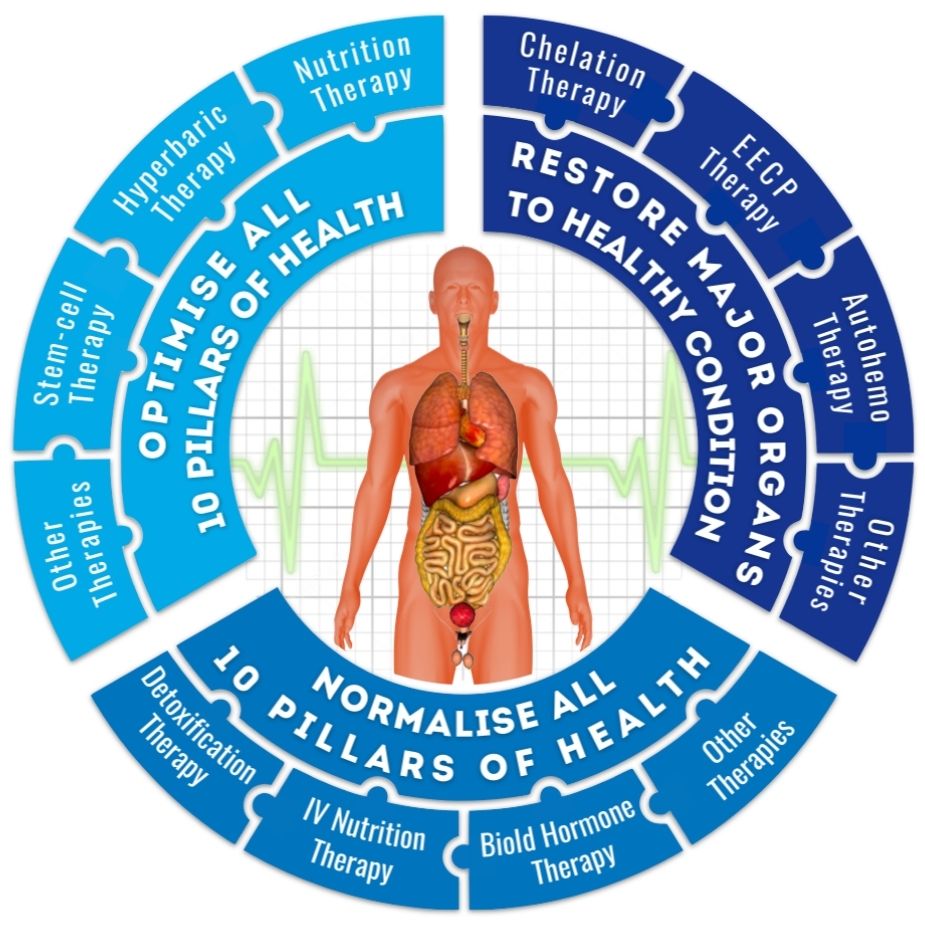
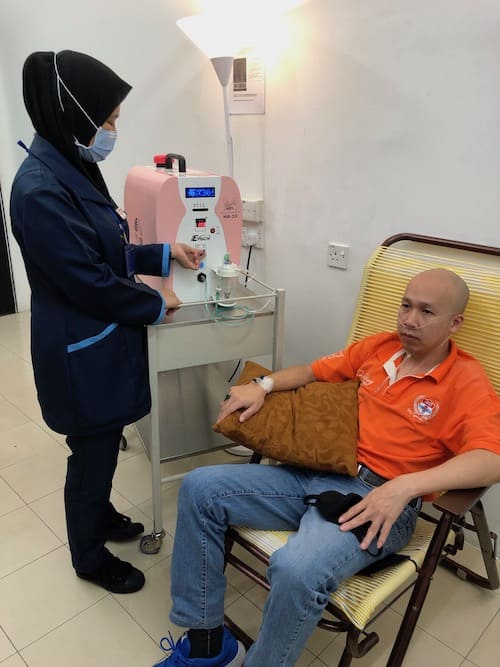
No one therapy or treatment modality can help to achieve these three primary objectives; an integration (combination) of various therapies is necessary for this; and this is called an Integrative & Holistic Treatment.
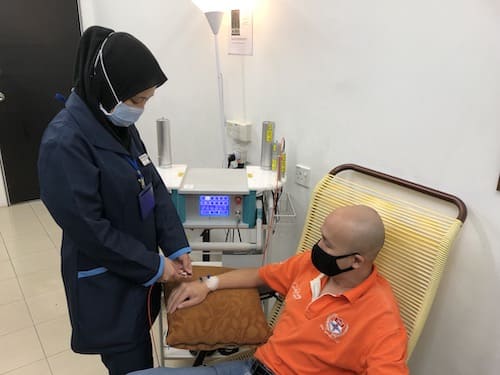
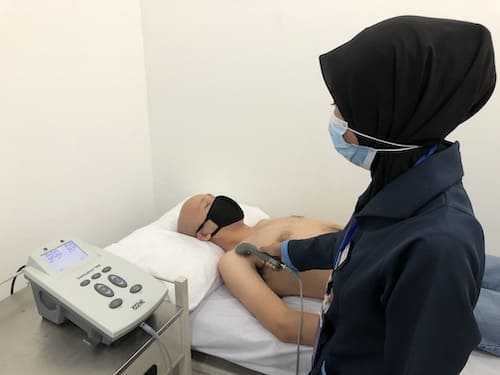
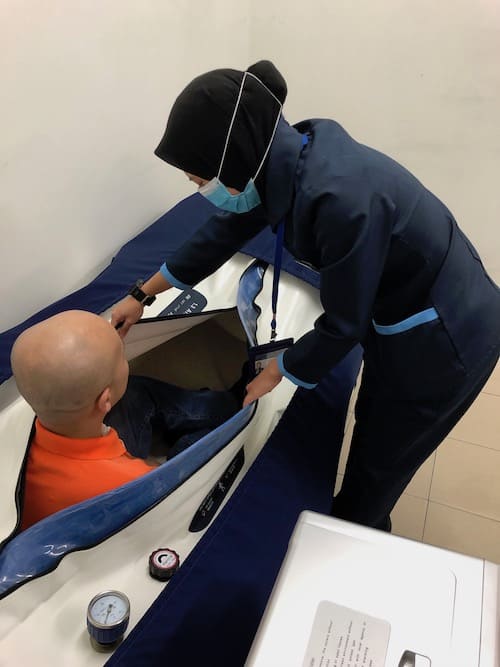
The following therapies were strategically integrated and administered to the patient:
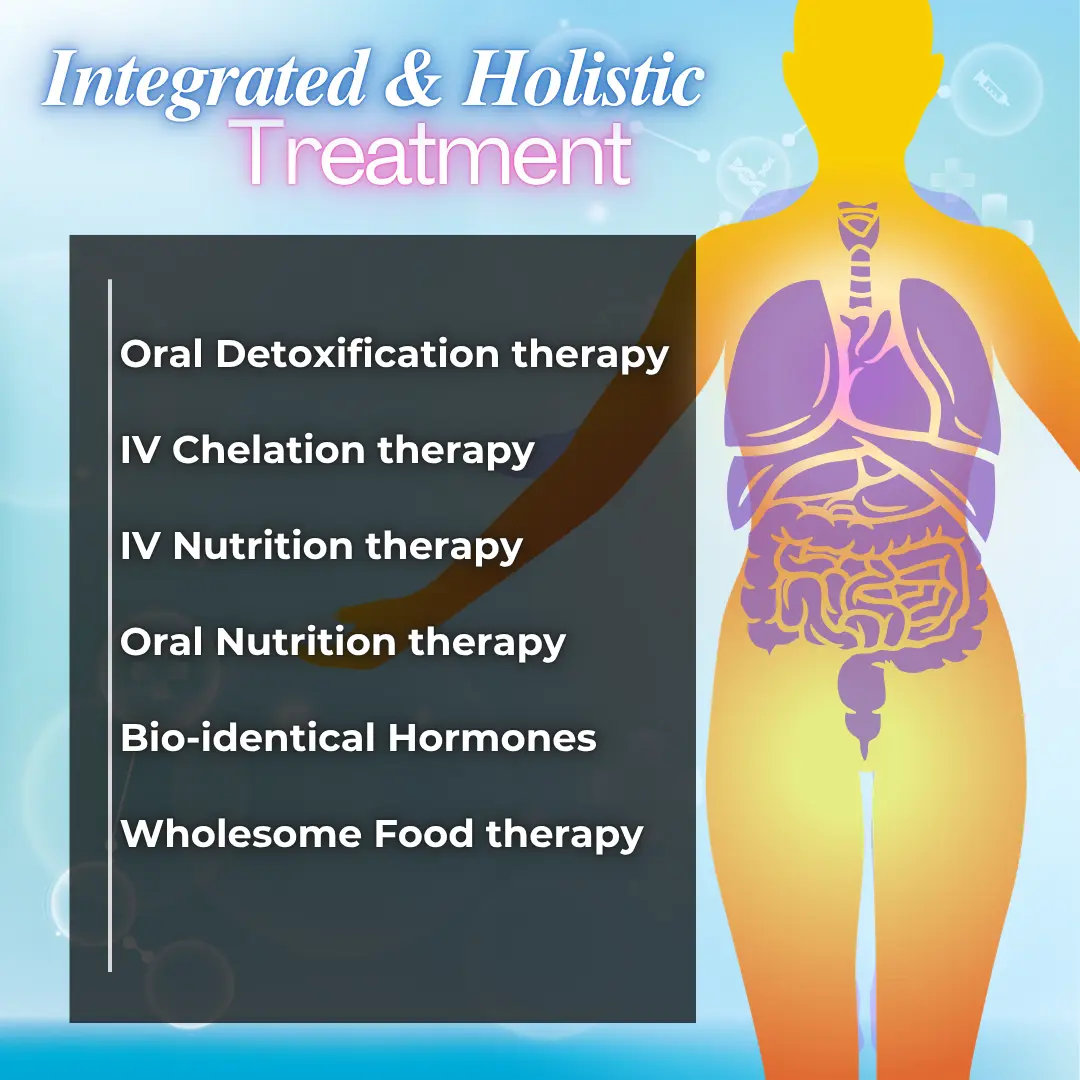
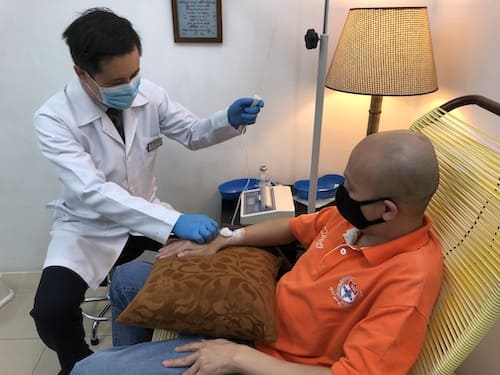
✙ Oral Detoxification Therapy
What it is:
Oral Detoxification Therapy involves the use of specific oral agents — including natural binders, chelators, and detoxification-supporting compounds — that bind to accumulated toxins and heavy metals within the digestive tract and systemic circulation, facilitating their safe elimination from the body. Unlike IV chelation, oral detoxification works gradually and continuously, making it well-suited for ongoing toxic clearance and for patients whose age or condition requires a gentler approach.

Used for:
- Directly binding and eliminating accumulated heavy metals and organic toxins — the primary toxic root cause driving Lai Sui Ah’s lung tumours, ischemic heart disease, IBS, and anxiety disorder
- Reducing the toxic burden on the liver — directly targeting the source of her dysregulated cholesterol production and impaired lipid metabolism
- Clearing toxic compounds from the intestinal lining — directly addressing the toxic-driven damage to gut integrity underlying her IBS and food intolerance
- Reducing neurological toxic load from heavy metal accumulation — directly targeting the source of her anxiety, panic attacks, and dizziness
Effects:
- Progressive resolution of chronic breathlessness and chest tightness as toxic-driven inflammation in lung and cardiovascular tissue reduces
- Improvement in cholesterol levels as liver function recovers with declining toxic burden
- Resolution of bloating, constipation, and indigestion as the gut lining heals from toxic-driven inflammation
- Reduction in anxiety and panic attacks as neurotoxic heavy metals are progressively cleared from the nervous system
- Improved energy levels and reduced fatigue as cellular function recovers with declining toxic interference
- Overall improvement in organ function and vitality as the body’s systemic toxic load progressively reduces
✙ Oral Nutrition therapy
What it is:
Oral Nutrition Therapy is the daily administration of a precisely prescribed regimen of full-spectrum nutritional supplements — including vitamins, minerals, essential fatty acids, amino acids, probiotics, and antioxidants — taken orally to replenish deficiencies, support organ function, and sustain the healing process continuously between clinic sessions. The supplements are clinically selected and dosed based on each patient’s specific deficiency profile and disease conditions, making this a highly personalised and targeted nutritional intervention.

Used for:
- Continuously replenishing essential nutrient deficiencies on a daily basis — directly sustaining the correction of the root cause underlying Lai Sui Ah’s multi-organ deterioration between IV sessions
- Delivering targeted gut-healing nutrients — probiotics, zinc, and essential fatty acids — to directly restore the damaged intestinal lining driving her IBS and food intolerance
- Providing daily cardiovascular-protective nutrients — omega-3 fatty acids, CoQ10, magnesium, and B vitamins — to directly support heart muscle function and arterial health
- Supplying daily antioxidant and immune-supporting nutrients to directly counter the oxidative stress and immune suppression driving her lung tumour progression
- Providing neurological nutrients — B vitamins, magnesium, zinc — on a sustained daily basis to directly restore the neurotransmitter balance underlying her anxiety disorder and panic attacks
Effects:
- Sustained reduction in body-wide pain, muscle cramps, and fatigue as essential nutrients continuously replenish depleted tissues day by day
- Progressive resolution of bloating, constipation, and indigestion as gut-healing nutrients restore intestinal integrity over time
- Ongoing improvement in cardiovascular function, reduction in chest pain, and normalisation of blood pressure and cholesterol levels
- Gradual reduction in anxiety, panic attacks, and cold intolerance as neurological and adrenal function is restored through daily nutritional support
- Strengthened immune function contributing to the suppression of lung tumour activity and reduction of systemic inflammation
- Improved sleep, mental clarity, and emotional stability as the brain and nervous system receive consistent daily nourishment
- Reduced dependence on pharmaceutical medications as the body’s organs regain the nutritional foundation needed to self-regulate blood pressure, cholesterol, and anxiety without pharmacological intervention
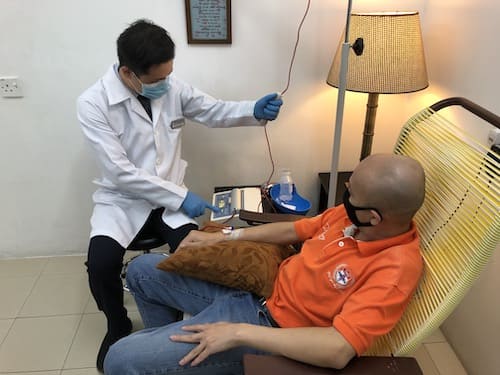
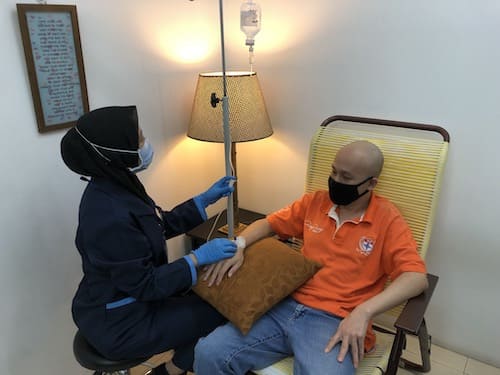
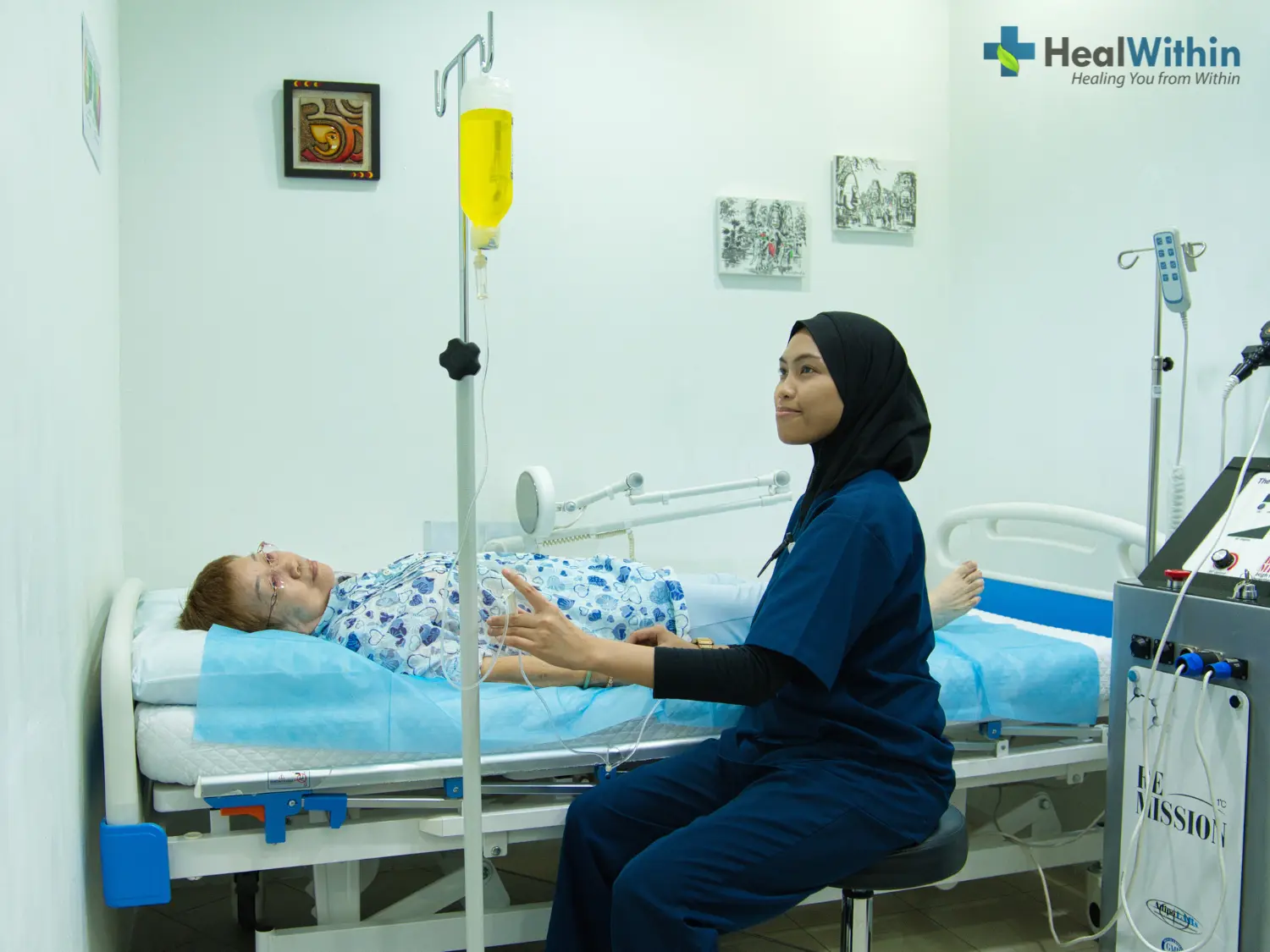
✙ IV Nutrition therapy
What it is:
IV Nutrition Therapy delivers a precisely formulated blend of essential vitamins, minerals, amino acids, and antioxidants directly into the bloodstream via intravenous infusion, bypassing the digestive tract entirely. This ensures 100% bioavailability of nutrients — achieving therapeutic concentrations in the blood and tissues that oral supplementation alone cannot reliably attain, particularly in patients with compromised gut absorption.
Used for:
- Directly replenishing the severe essential nutrient deficiencies — the root cause underlying the deterioration of Lai Sui Ah’s cardiovascular, pulmonary, neurological, and digestive health
- Delivering high-dose antioxidants directly to tissues — directly combating the oxidative stress and free radical damage driving her lung tumour progression and arterial inflammation
- Supplying therapeutic doses of magnesium, B vitamins, and essential minerals to directly restore normal cardiovascular, neurological, and gut function
- Bypassing her compromised gut absorption — ensuring nutrient delivery reaches cells and organs at therapeutic levels despite her IBS and food intolerance
- Directly supporting liver detoxification pathways with glutathione and key cofactors — targeting the root source of her impaired cholesterol metabolism and toxic overload
Effects:
- Rapid improvement in energy levels and reduced fatigue as cells receive the fuel required for normal mitochondrial energy production
- Reduction in chest pain, breathlessness, and palpitations as the heart muscle and vascular system are nourished with essential cardiac nutrients
- Improvement in anxiety and panic attacks as neurotransmitter precursors and nervous system nutrients are restored to therapeutic levels
- Reduction in muscle pain, leg cramps, and body-wide fibromyalgia-type pain as magnesium, amino acids, and anti-inflammatory nutrients reach depleted tissues
- Support for immune surveillance and tumour suppression as high-dose vitamin C and antioxidants are delivered directly to lung tissue
- Improved digestion, reduced bloating, and restoration of gut function as the intestinal lining receives the nutrients it needs to heal and regenerate
✙ Herbal therapy
What it is:
Herbal Therapy is the therapeutic use of clinically selected medicinal plants and plant-derived compounds to support the body’s natural healing processes, address specific disease conditions, and complement the broader integrated treatment programme. Unlike pharmaceutical drugs that typically target a single pathway, medicinal herbs work through multiple biological mechanisms simultaneously — offering anti-inflammatory, antioxidant, immune-modulating, adaptogenic, and organ-protective effects within a single natural compound.

Used for:
- Directly supporting the immune system’s natural tumour surveillance and suppression capacity — targeting the immune dysfunction underlying Lai Sui Ah’s lung tumour progression
- Delivering potent anti-inflammatory and antioxidant plant compounds to directly counter the chronic oxidative stress and vascular inflammation driving her ischemic heart disease and high blood pressure
- Supporting liver detoxification and bile acid metabolism — directly addressing the hepatic root source of her high cholesterol and impaired lipid clearance
- Providing gut-healing and gut-microbiome-restoring herbal compounds to directly address the dysbiosis and intestinal inflammation underlying her IBS and food intolerance
- Delivering adaptogenic and nervine herbs to directly calm and restore the dysregulated nervous system driving her anxiety disorder and panic attacks
Effects:
- Gradual reduction in lung inflammation and support for tumour containment as immune-modulating herbs strengthen the body’s natural cancer-suppressing defences
- Improvement in chest pain, breathlessness, and cardiac function as cardioprotective and vascular anti-inflammatory herbs support arterial health and heart muscle recovery
- Progressive normalisation of blood pressure and cholesterol as liver-supporting and vascular-toning herbs address their underlying root causes
- Resolution of bloating, constipation, indigestion, and food intolerance symptoms as gut-healing herbs restore mucosal integrity and microbiome balance
- Reduction in anxiety, panic attacks, and emotional instability as adaptogenic herbs restore nervous system regulation and stress resilience
- Improved overall vitality, sleep quality, and immune resilience as the body’s self-healing capacity is progressively restored through sustained herbal support
✙ Wholesome Food therapy
What it is:
Wholesome Food Therapy is the therapeutic restructuring of a patient’s daily diet — replacing inflammatory, nutrient-poor, and disease-promoting foods with a carefully prescribed regimen of whole, natural, nutrient-dense foods that actively support healing, reduce inflammation, and restore organ function. Food is treated as medicine: every meal becomes an opportunity to either advance or undermine the healing process, and Dr Lee prescribes dietary guidelines specific to each patient’s disease profile and root causes.

Used for:
- Eliminating the meat-heavy, low-fibre dietary pattern that was the primary dietary source of Lai Sui Ah’s gut dysbiosis, toxin accumulation, and nutrient deficiency — directly removing the root cause triggers at their source
- Introducing anti-inflammatory, fibre-rich, and antioxidant-dense whole foods to directly restore gut microbiome balance and repair the intestinal lining driving her IBS and food intolerance
- Providing daily dietary sources of heart-protective nutrients — healthy fats, plant compounds, and low-glycaemic whole foods — to directly support the resolution of her ischemic heart disease, high blood pressure, and high cholesterol
- Removing dietary sources of toxins, additives, and inflammatory compounds — directly reducing the ongoing toxic and inflammatory burden on her lungs, liver, gut, and nervous system
- Establishing a sustainable daily nutritional foundation that continuously nourishes all organs and prevents the recurrence of the nutrient deficiencies that drove her disease
Effects:
- Progressive resolution of bloating, constipation, indigestion, and food intolerance as the gut microbiome rebalances and the intestinal lining heals on a wholesome, anti-inflammatory diet
- Sustained improvement in blood pressure and cholesterol levels as dietary inflammatory triggers are removed and heart-protective foods nourish the cardiovascular system daily
- Reduced systemic inflammation contributing to improved lung health, reduced chest pain, and support for tumour containment
- Improved energy, reduced fatigue, and better mental clarity as the body is continuously fuelled by nutrient-dense whole foods rather than depleting, inflammatory ones
- Reduction in anxiety, mood instability, and panic attacks as a gut-supportive diet restores serotonin production and neurological nourishment through the gut-brain axis
- Long-term protection against disease recurrence by permanently removing the dietary root cause triggers that originally drove the development of all her conditions
PHASE 3: POST-TREATMENT TESTS & RESULTS
1. Vitality Factors
*100% represents highest optimal level for patients’s genetics, gender & age.
2. Disease Symptoms
- ☺︎BreathlessnessResolved 90%
- ☺︎Chest painResolved 100%
- ☺︎Chronic coughs with phlegmResolved 90%
- ☺︎BloatingResolved 100%
- ☺︎ConstipationResolved 100%
- ☺︎IndigestionResolved 100%
- ☺︎Back painResolved 100%
- ☺︎Neck painResolved 100%
- ☺︎Right foot painResolved 100%
- ☺︎HeadachesResolved 100%
- ☺︎Left wrist painResolved 100%
- ☺︎VertigoResolved 100%
- ☺︎Dizziness & loss of balanceResolved 100%
- ☺︎Cold intoleranceResolved 90%
- ☺︎Panic attacksResolved 90%
- ☺︎Leg crampsResolved 100%
- ☺︎Drug adverse reactionResolved 100%
3. Medical Conditions (Diseases)
- 🩺Lung tumoursResolved 80%
- 🩺Ischemic heart diseaseResolved 90%
- 🩺High blood pressureResolved 70%
- 🩺High cholesterolResolved 100%
- 🩺Irritable bowel syndromeResolved 100%
- 🩺Food intoleranceResolved 100%
- 🩺Anxiety disorderResolved 90%
- 🩺VertigoResolved 100%
4. Medications
(Prescribed by other doctors Prior to Heal Within®)
- Cholesterol medicationsWeaned off 100%
- High blood pressure medicationsWeaned off 50%
- Gastric medicationsWeaned off 100%
- Anti-platelet medicationsWeaned off 50%
- Anti-angina medicationsWeaned off 50%
- Anti-anxiety medicationsWeaned off 100%
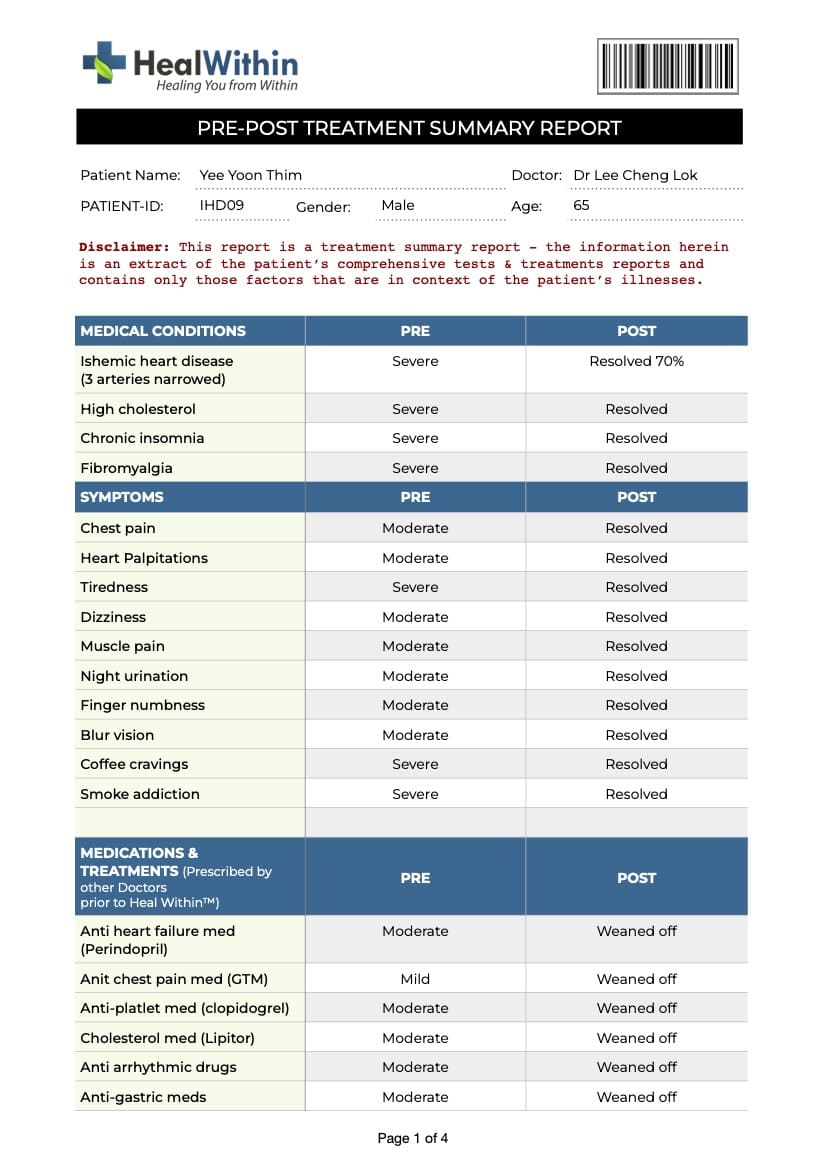
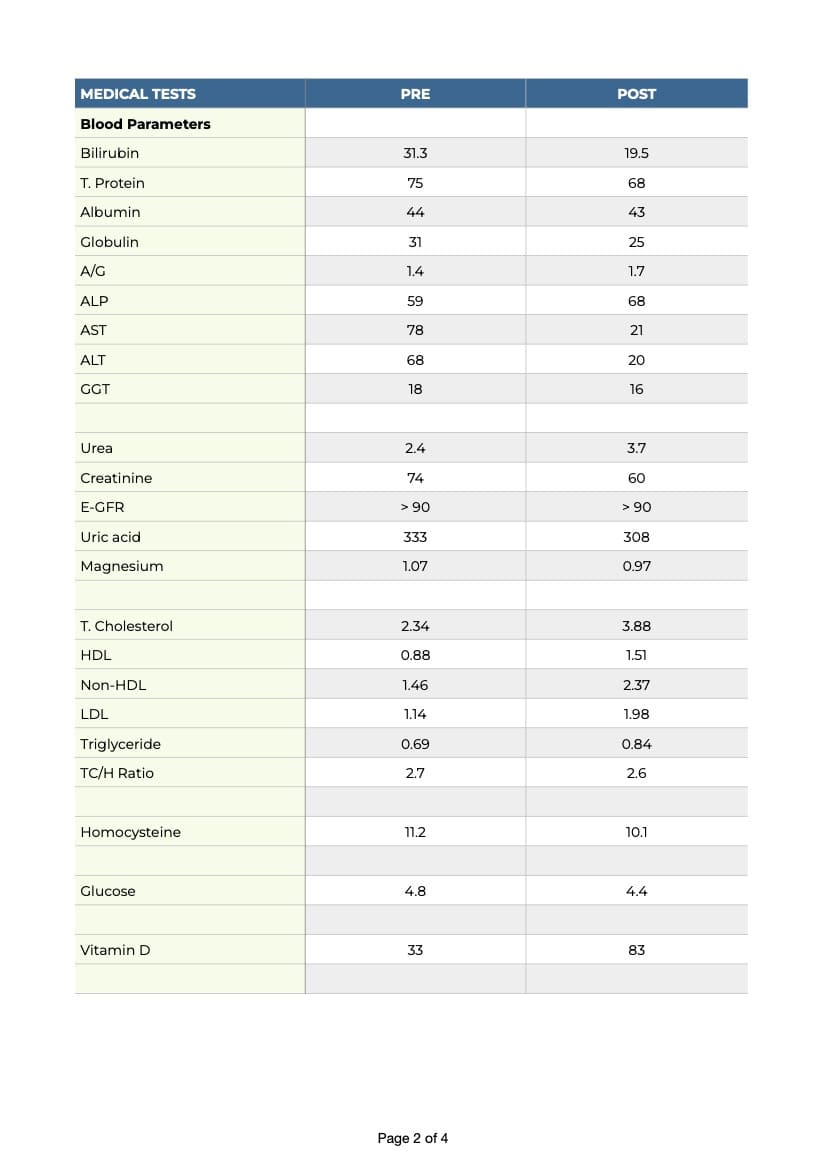
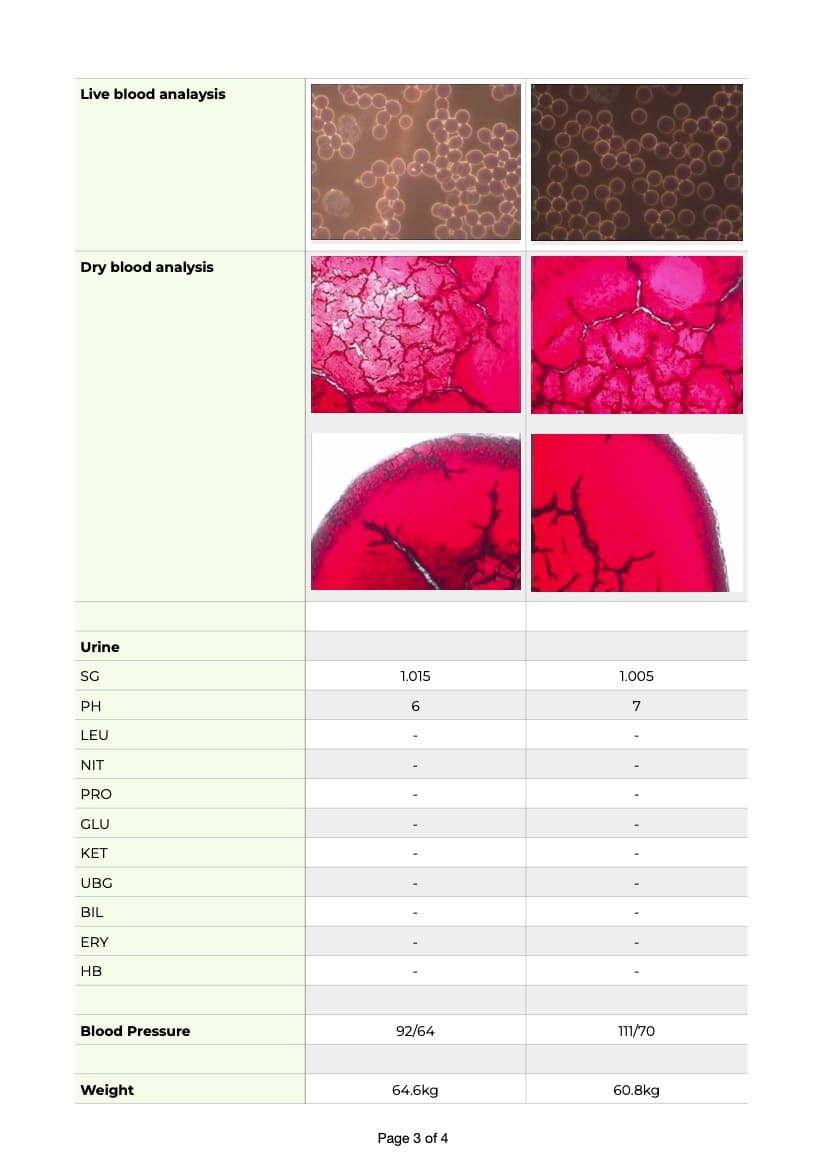
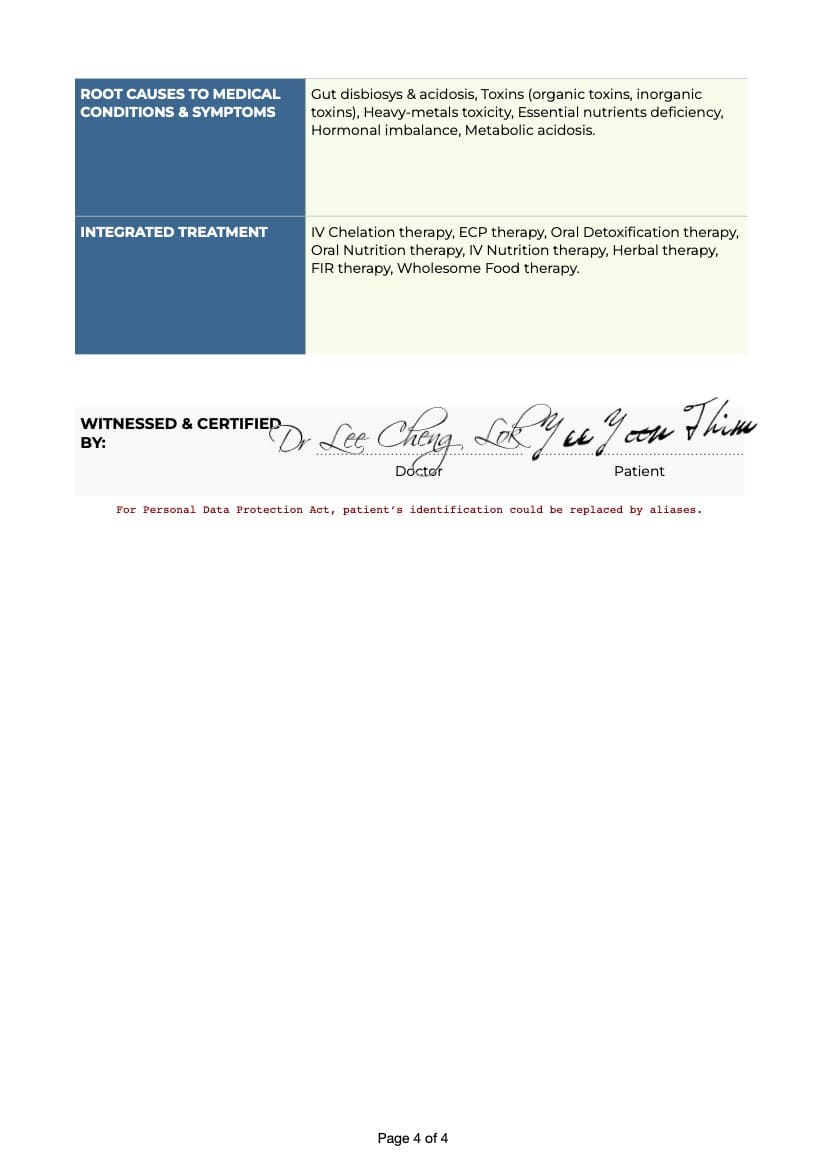
MEDICAL TEST REPORTS
*Click/Tap each image to enlarge-view”.

Dr Lee's
Integrated & Holistic
CHRONIC DISEASE
TREATMENT PROGRAM
Holistic
Healing

Recurrence Prevention

Long-term
Wellbeing

Cancer | Heart Diseases | Blood Vessel Diseases | Stroke | Brain & Nervous System Diseases | Endocrine Diseases | Diabetes | Auto-Immune Diseases | Liver Diseases | Kidney Diseases | Gallbladder Diseases | Digestive Diseases | Reproductive Diseases | Respiratory Diseases | Bone & Joint Diseases | Muscular Diseases | Skin Diseases | ENT Diseases | Hormonal Problems | Weight problems | and more…