Asthma, Sciatica, IBS, Successfully Treated by Integrative Treatment

NAME:
Reto Gruenenfelder
PLACE:
Switzerland
WORK:
Consultant
TREATMENT CASE SUMMARY
PRE-TREATMENT
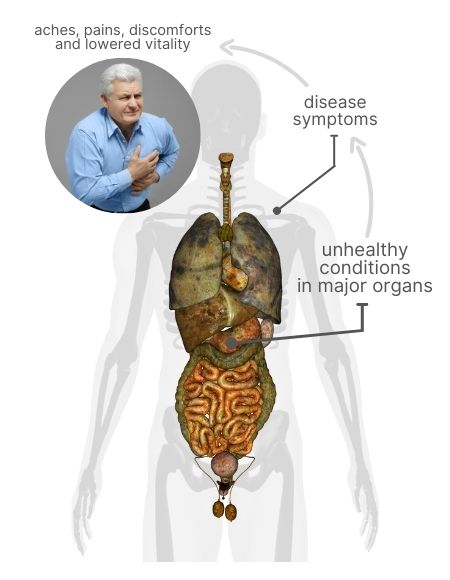
Disease Symptoms
- ☹︎Wheezing
- ☹︎Breathlessness
- ☹︎Frequent phlegm
- ☹︎Persistent cough
- ☹︎Constipation
- ☹︎Sciatic nerve pain
- ☹︎Urination difficulty
Medical Conditions
- 🩺Adult onset asthma
- 🩺Irritable bowel syndrome
- 🩺Gluten intolerance
- 🩺Sciatica
POST-TREATMENT
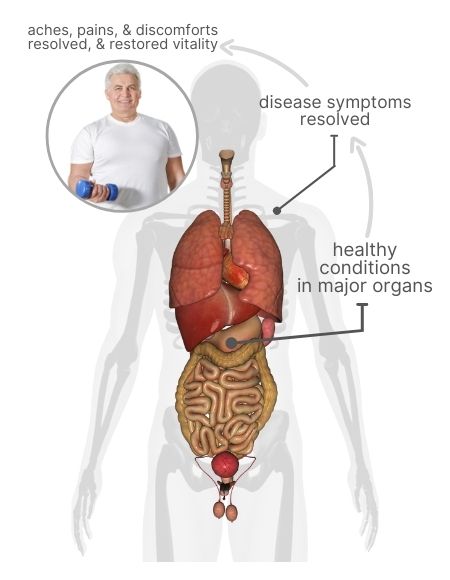
Disease Symptoms
- ☺︎Wheezing - Resolved 80%.
- ☺︎Breathlessness - Resolved 100%.
- ☺︎Frequent phlegm - Resolved 100%.
- ☺︎Persistent cough - Resolved 100%.
- ☺︎Constipation - Resolved 100%.
- ☺︎Sciatic nerve pain - Resolved 100%.
- ☺︎Urination difficulty - Resolved 100%.
Medical Conditions
- 🩺Adult onset asthma - Resolved 80%.
- 🩺Irritable bowel syndrome - Resolved 100%.
- 🩺Gluten intolerance - Resolved 100%.
- 🩺Sciatica - Resolved 100%.
DOCTOR'S CASE PRESENTATION
PATIENT TESTIMONY
TREATMENT EFFECTIVENESS
SERVICE QUALITY
DOCTOR
STAFF
PRICE
RECOMMENDED
DOCTOR
STAFF
PRICE
RECOMMENDED


PATIENT CASE DETAILS
PRE-DISEASE LIFESTYLE
Food
Bread at nearly every meal. Highly processed, acidic, high in starch and sugar.
Nutrition
No nutrition or supplementation programme. No probiotics, despite years of digestive symptoms.
Exercise
No deliberate exercise or movement practice.
Environment
Long-term living in a dense urban environment.
Rest
Rest and sleep were never deliberately managed.
Mind & Emotions
Sustained pressure across a long corporate consulting career.
Periodic Detoxification
Never undertaken before Heal Within®.
Periodic Medical Screening
Screened periodically. Numbers slightly out of range were never pursued.
MEDICAL HISTORY
(Prior to treatment in Heal Within®)
🗓 – December 2016.
Symptoms: Wheezing, breathlessness, frequent phlegm, persistent cough, constipation, sciatic nerve pain.
Sought treatment at: Private hospitals and clinics in Malaysia for sciatica and routine health screening.
Diagnosis: On screening, no significant disease was identified; some parameters sat slightly outside normal range.
Treatment administered: None sustained. Results were reported as acceptable.
Result: No underlying cause was ever investigated. None of the conditions was severe enough to force action, so they were carried for years and quietly accepted as normal.
🗓 – August 2018.
Symptoms: Unchanged.
Sought treatment at: Researched integrative medical doctors online and found Dr Lee at Heal Within®. Brought his wife for treatment.
Diagnosis: Not applicable — he did not present as a patient himself.
Treatment administered: None for himself.
Result: He felt well, and took no action on his own health for a further seven years.
🗓 – January 2026.
Symptoms: Wheezing, breathlessness, frequent phlegm, persistent cough, constipation, sciatic nerve pain, urination difficulty.
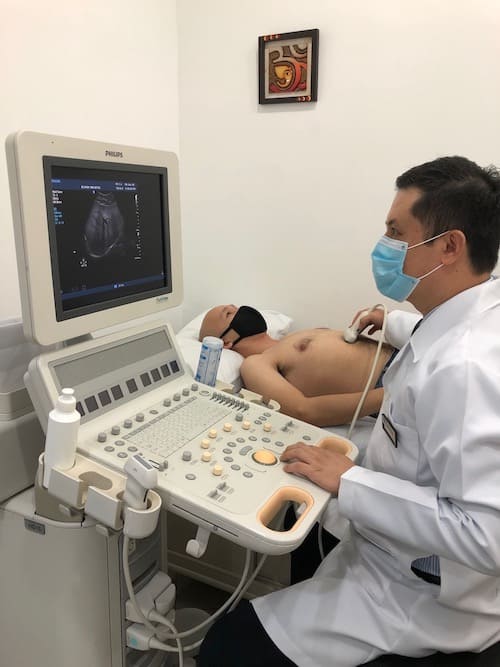
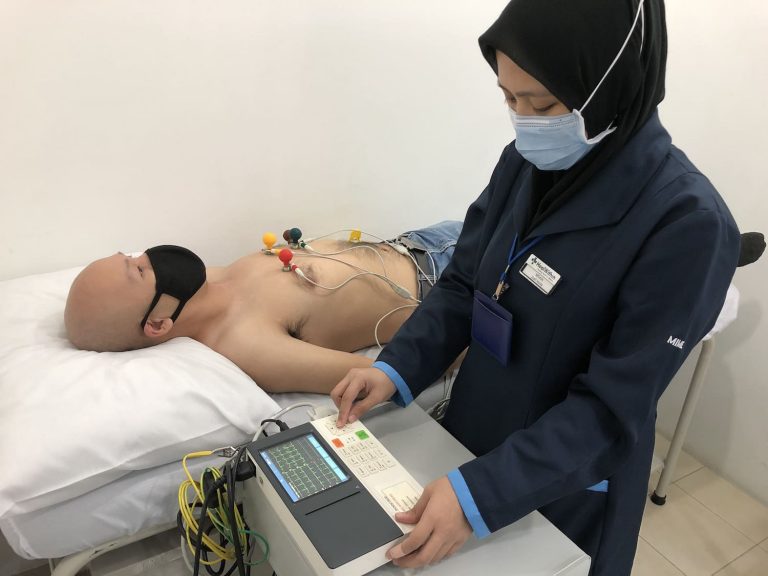
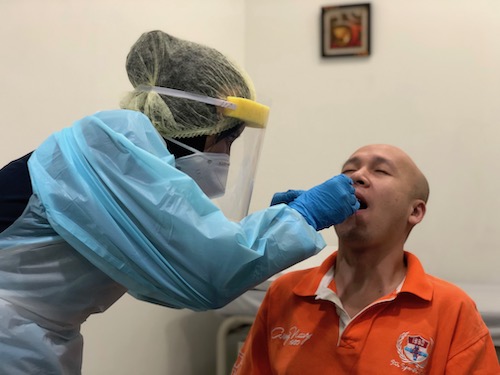
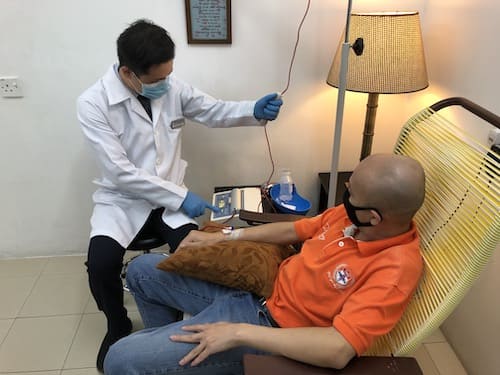
Sought treatment at: Heal Within®, under Dr Lee. Having concluded that “a car which is just okay cannot run for the next twenty years”, he came for a full examination rather than for any single complaint.
Diagnosis: Read in full case details below.
Treatment administered: Read in full case details below.
Result: Read in full case details below.
TREATMENT IN HEAL WITHIN®
PHASE 1: DIAGNOSIS
1. Vitality Factors
*100% represents optimal level for patients’s genetics, gender & age.
2. Disease Symptoms
- Wheezing
- Breathlessness
- Frequent phlegm
- Persistent cough
- Constipation
- Sciatic nerve pain
- Urination difficulty
3. Medical Conditions (Diseases)
- Adult onset asthma
- Irritable bowel syndrome
- Gluten intolerance
- Sciatica
4. Causes & Root-causes to Medical Conditions
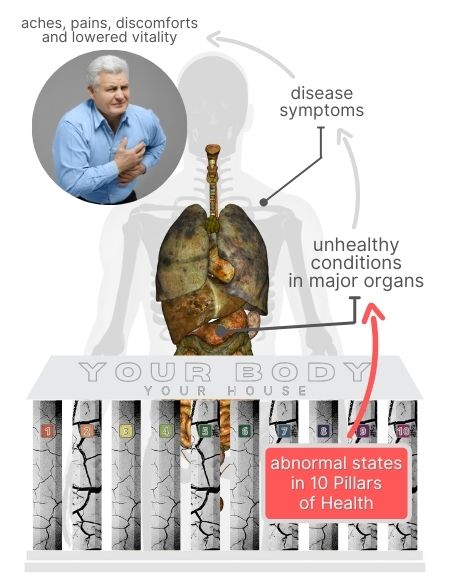
Dr Lee identified four underlying root causes driving every one of this patient's diagnosed conditions. Treating the root causes — rather than managing the symptoms of each disease separately, as his past treatments had done — is what makes lasting healing and recurrence prevention possible.
◉ Gut disbiosys & acidosis
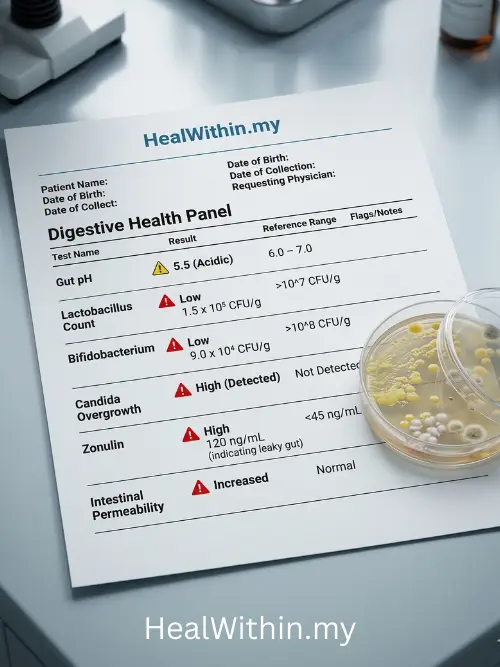
What it is:
‘Dysbiosis’ is a disruption of the gut microbiome — an imbalance in the bacterial populations lining the intestine, along with abnormalities in what they do and where they live. ‘Acidosis’ is over-acidification of the fluids in the gut. Together they damage the intestinal lining and loosen the seals between its cells, allowing partly digested food, bacterial fragments and toxins to pass into the bloodstream. Because roughly seventy per cent of the immune system sits behind that lining, an inflamed and leaking gut does not stay a digestive problem for long.
Sources / Triggers:
Bread and wheat at nearly every meal, acidic diet, high starch and sugar intake, highly processed foods, absence of probiotic or nutritional supplementation, chronic mental stress.
Mechanism:
When the gut lining becomes porous, the body's most important barrier fails. Bacterial fragments — in particular lipopolysaccharides (LPS), the toxic outer-wall components of gram-negative bacteria — leak continuously into the bloodstream, and the immune system reads them as invasion. The result is a permanent, low-grade inflammatory response throughout the entire body, known as metabolic endotoxemia. Acidification of the gut fluids compounds it, and the damaged lining absorbs nutrients poorly, so the body is starved of the materials it needs for repair at the same time as it is inflamed. In this patient the inflammation followed a particular route. The gut and the lungs share a common mucosal immune system — the gut–lung axis — so immune cells activated in an inflamed intestine migrate to the airways and carry that inflammation with them. His asthma was a lung condition with an intestinal cause, and every driver of it had been present, daily, for two decades.
Adult Onset Asthma — Development:
- Bread and wheat at nearly every meal, an acidic and high-starch diet, processed foods, no probiotic support and sustained mental pressure across a long consulting career together shifted the bacterial balance of his gut and acidified its internal environment.
- Protective bacterial species declined and acid-tolerant, inflammatory species replaced them — producing endotoxins instead of the short-chain fatty acids that normally feed and repair the intestinal lining.
- Starved of those repair fuels and bathed in acid, the tight junctions between his intestinal cells loosened and the barrier became permeable — a leaky gut.
- Lipopolysaccharides, undigested wheat proteins and food debris crossed into his bloodstream continuously, every day, for years.
- His immune system mounted a permanent low-grade inflammatory response, raising inflammatory messengers throughout his body — measurable at diagnosis in his elevated C-reactive protein and homocysteine.
- Through the gut–lung axis, immune cells primed in his inflamed intestine migrated to the bronchial walls and held the airway lining in a chronically reactive state.
- The airway lining thickened, mucus-producing cells multiplied, and the smooth muscle encircling his bronchi became hypersensitive — narrowing in response to triggers a healthy airway ignores.
- The result was wheezing, breathlessness, persistent cough and frequent phlegm, diagnosed as adult onset asthma and treated as a lung disease for twenty years, though its origin lay in his gut.
Irritable Bowel Syndrome — Development:
- The same acidic, high-starch, wheat-heavy diet and unrelieved mental stress disrupted the microbial population of his intestine and lowered the pH of its contents.
- With microbial diversity lost, the fermentation of carbohydrate in his bowel became disordered, generating excess gas, distension and pressure.
- Acidic intestinal fluid irritated the lining directly and impaired the digestive enzymes that depend on a narrow pH range to function.
- Chronic inflammation sensitised the enteric nervous system — the dense network of nerves embedded in the gut wall — producing visceral hypersensitivity, in which ordinary distension registers as pain.
- The same inflammation disrupted the coordinated muscular waves that move contents along the bowel, and transit slowed.
- Slowed transit meant more water was reabsorbed in the colon, hardening the stool and producing his constipation.
- Disordered motility, visceral hypersensitivity and abnormal fermentation together produced the bloating, pain and irregular bowel habit diagnosed as irritable bowel syndrome.
Gluten Intolerance — Development:
- His diet supplied gluten at nearly every meal — a protein the human gut digests incompletely even when it is entirely healthy.
- Dysbiosis and acidosis reduced the enzyme activity available to break those fragments down, leaving larger gluten peptides intact in his intestine.
- Once the tight junctions had loosened, those intact peptides crossed into his bloodstream rather than being excluded by the barrier.
- His immune system encountered them there repeatedly, meal after meal, and began generating antibodies against them.
- Every subsequent meal containing wheat then provoked an immune reaction rather than a digestive one — inflammation, bloating and worsening of his existing symptoms.
- That reaction inflamed the gut lining further, loosening the barrier further, admitting still more gluten. The process reinforced itself.
- What was diagnosed as gluten intolerance was therefore not the origin of his leaky gut but a consequence of it — and, once established, one of the most powerful forces keeping it open.
Sciatica — Development:
- The same dietary and stress triggers sustained the dysbiosis, the acidosis and the permeable gut barrier feeding inflammatory messengers into his circulation.
- Those messengers circulated continuously and reached the tissues surrounding his lumbar spine along with every other tissue in his body.
- Chronic inflammation there promoted swelling in the soft tissue around the nerve root, narrowing the already tight space through which the sciatic nerve passes.
- Systemic acidosis lowered the pH of the tissue fluid bathing those nerve fibres, chemically irritating them and slowing local repair.
- Inflammatory cytokines act directly on peripheral nerves to lower their firing threshold, so signals that should have been silent were transmitted as pain — peripheral sensitisation.
- Impaired absorption across his damaged intestinal lining left him short of the B vitamins and magnesium that maintain the myelin sheath and support nerve recovery.
- Mechanical compression, chemical irritation and failed repair combined, and the pain became severe and persistent — diagnosed as sciatica.
◉ Toxins & Heavy-metals
What it is:
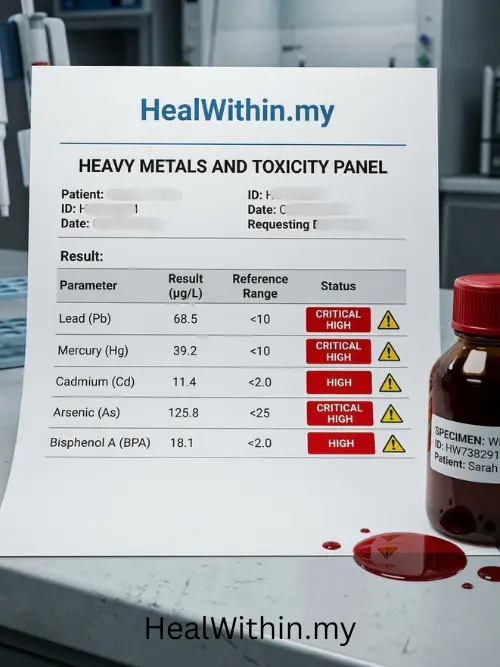
‘Toxins’ are substances and chemical compounds that hinder or damage the normal working of an organ. ‘Heavy metals’ are a group of dense metals and metalloids — mercury, lead, cadmium, arsenic, aluminium — that are toxic to the body at parts-per-billion levels. The body has no efficient route to excrete them, so rather than being cleared they are stored: in fat, in connective tissue, in bone and in nerve tissue, accumulating quietly across decades. The damage they do is not felt as a symptom of poisoning. It is felt as whichever organ gives way first.
Sources/Triggers:
Heavy-metal dental fillings carried for decades, highly processed foods, toxic dietary substances and additives, long-term exposure to a dense urban environment, impaired detoxification capacity from a damaged gut and overburdened liver.
Mechanism:
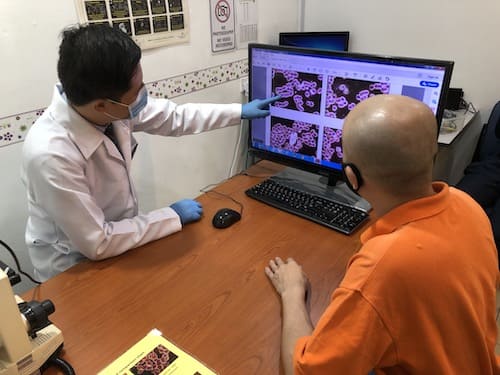
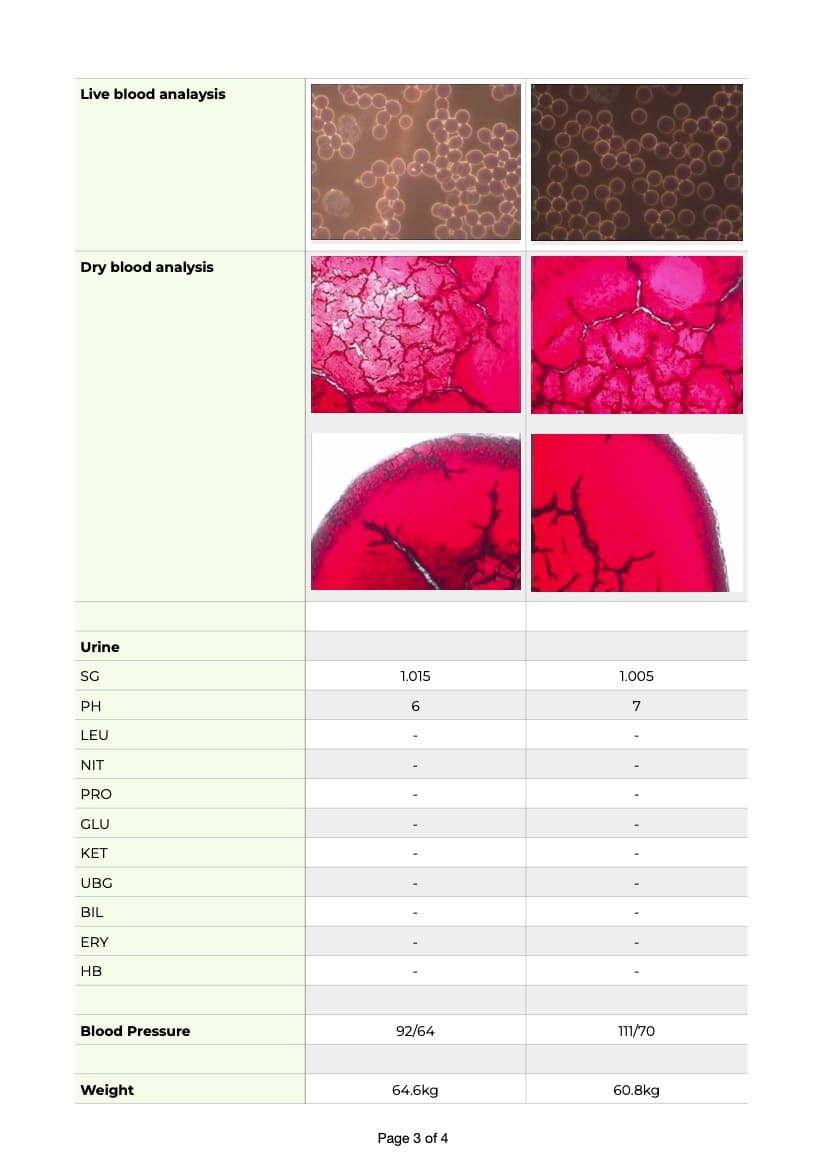
Toxins and heavy metals do their damage by three mechanisms working at once. They generate reactive oxygen species — free radicals that injure cell membranes, proteins and DNA. They deplete glutathione, the body's master antioxidant and the molecule on which most detoxification depends, so each new exposure is cleared less efficiently than the last. And they displace essential minerals from the enzymes that need them, since a heavy metal will occupy a binding site meant for zinc, magnesium or selenium and leave the enzyme inert. The load is cumulative and largely silent. In this patient it was directly visible: live and dry blood analysis at his first consultation showed extensive toxic deposition, and his C-reactive protein and homocysteine were both elevated — objective markers of a body under continuous chemical assault.
Adult Onset Asthma — Development:
- Heavy-metal dental fillings carried for decades, a highly processed and additive-laden diet, and years of living in a dense urban environment delivered a continuous low-level load of metals and chemical toxins into his body.
- Lacking any efficient excretion route and with no detoxification programme ever undertaken, these accumulated steadily in his tissues rather than being cleared.
- They generated persistent oxidative stress and depleted his glutathione reserve, leaving his tissues progressively less able to neutralise free radicals.
- The airway lining is among the most exposed tissues in the body, meeting inhaled pollutants directly while also receiving circulating toxins through its dense capillary bed.
- Toxic exposure skews immune regulation toward a Th2-dominant, allergic-type response — the immunological signature of asthma.
- Mast cells in his bronchial walls became unstable and released histamine and inflammatory mediators in response to stimuli a healthy airway tolerates.
- Mucus-producing cells were driven into overproduction, and repeated inflammatory injury without adequate antioxidant repair produced airway remodelling — permanent thickening of the bronchial wall.
- Hyperreactive, thickened, mucus-filled airways produced his wheezing, breathlessness, persistent cough and frequent phlegm — his adult onset asthma.
Irritable Bowel Syndrome — Development:
- The same fillings, processed diet and environmental exposures delivered metals and chemical toxins into his digestive tract daily.
- Toxins arriving in food pass directly across the intestinal lining, injuring the epithelial cells on their way through.
- Heavy metals are inherently antimicrobial, and they kill beneficial commensal bacteria more readily than the resistant, inflammatory species — deepening his existing dysbiosis.
- Metals such as cadmium and mercury disrupt the tight junction proteins between intestinal cells directly, independently of anything the diet was doing.
- They also interfere with the enteric nervous system that coordinates the muscular waves moving contents along the bowel, disturbing his motility.
- His liver, carrying the full detoxification burden, produced bile of poorer quality and quantity, impairing fat digestion and irritating the bowel further.
- Disordered motility, an inflamed lining and disturbed fermentation produced the bloating, abdominal pain and constipation of his irritable bowel syndrome.
Gluten Intolerance — Development:
- Decades of accumulated metals and chemical toxins from his fillings, his diet and his environment settled into the tissues of his digestive tract.
- These metals disrupted the tight junctions of his intestinal lining directly, widening the gaps between cells regardless of what he ate.
- Glutathione depletion left the lining unable to repair that damage at the rate it was occurring.
- Heavy metals displace zinc from zinc-dependent peptidase enzymes — the very enzymes responsible for breaking gluten fragments into harmless pieces — leaving them inactive.
- Large, intact gluten peptides therefore survived digestion and crossed a barrier that was already open.
- His immune system met them in the bloodstream and sensitised against them, so wheat began provoking an immune response rather than a digestive one.
- The result was clinical gluten intolerance — driven not only by what he was eating, but by a chemical burden that had disabled his ability to digest it.
Sciatica — Development:
- The same accumulated load of dental metals, dietary toxins and environmental chemicals circulated through his body for decades without ever being cleared.
- Heavy metals are strongly neurotoxic and concentrate in nerve tissue, where they are retained far longer than in most other organs.
- Within peripheral nerves they generate oxidative stress that degrades the myelin sheath, the insulating layer on which clean nerve conduction depends.
- They displace magnesium and zinc from the enzymes and receptors regulating nerve membrane stability, leaving nerve fibres abnormally excitable.
- Damaged, poorly insulated, over-excitable nerve fibres transmit pain signals spontaneously, without any mechanical cause.
- Toxin-driven inflammation in the surrounding soft tissue added mechanical pressure on the nerve root at the same time.
- Glutathione depletion left the nerve unable to repair itself, so the injury persisted rather than resolving — the severe, unrelenting sciatic nerve pain of his sciatica.
◉ Essential-nutrients deficiency
What it is:
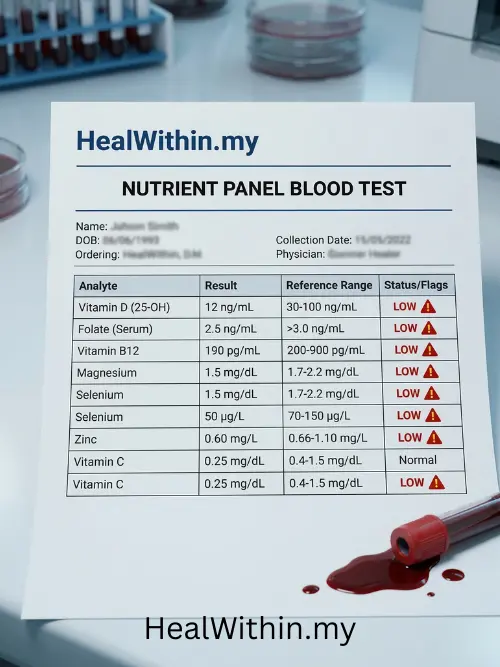
Essential-nutrient deficiency is simply a shortage of the proteins, vitamins, minerals, salts or fats that the blood and the organ tissues require. These are not optional extras. Every process in the body is driven by enzymes, and enzymes cannot work without their cofactors — the specific vitamins and minerals that switch them on. A deficiency therefore does not produce one disease. It produces a slow failure of function everywhere at once, appearing first in the tissues that renew themselves fastest and work hardest.
Sources/Triggers:
Impaired absorption from a damaged, inflamed gut lining, dysbiosis halting bacterial vitamin synthesis, a refined and processed diet low in nutrient density, heavy metals displacing essential minerals, antioxidant reserves consumed by chronic inflammation and detoxification, no supplementation programme.
Mechanism:
Nutrient deficiency in this patient was not a matter of eating too little. It was a failure at three points at once. His diet was high in refined starch and processed food and correspondingly low in nutrient density, so less went in. His intestinal lining was inflamed and permeable, so less of what did go in was absorbed — and the dysbiotic bacteria that should have been manufacturing B vitamins and vitamin K within his gut were no longer there to do it. Meanwhile his demand was abnormally high, because chronic inflammation and the constant work of detoxification consume antioxidants and minerals at several times the normal rate, and accumulated heavy metals were displacing zinc and magnesium from the enzymes that needed them. Low supply, poor absorption, high demand. Vitamin D deficiency was confirmed directly on testing; the remainder were inferred from the pattern of his diseases and corrected accordingly.
Adult Onset Asthma — Development:
- A refined, processed, wheat-heavy diet, an inflamed and poorly absorbing intestinal lining, a dysbiotic gut no longer synthesising vitamins, and no supplementation at any point left him progressively depleted across decades.
- Vitamin D, confirmed deficient on testing, is one of the principal regulators of immune tolerance — it maintains the regulatory T-cells that hold the immune system's allergic responses in check.
- Without that brake, his immune system drifted toward the Th2-dominant, hyper-reactive state that defines asthma.
- Deficiency of the antioxidant nutrients — vitamin C, vitamin E, selenium and zinc — left his airway lining unable to neutralise the oxidative injury delivered by every inhaled irritant.
- Magnesium, which relaxes bronchial smooth muscle, was depleted both by poor absorption and by displacement from its binding sites by accumulated heavy metals — so his airways constricted more readily and relaxed less easily.
- Shortage of omega-3 essential fatty acids shifted the balance of inflammatory signalling molecules toward the pro-inflammatory leukotrienes that drive bronchoconstriction and mucus secretion.
- Vitamin A and zinc deficiency impaired the regeneration of the airway lining itself, so inflammatory damage accumulated as permanent thickening rather than being repaired.
- Chronically inflamed, hyperreactive, poorly repaired airways produced his wheezing, breathlessness, cough and phlegm — his adult onset asthma.
Irritable Bowel Syndrome — Development:
- The same low-nutrient diet, impaired absorption, absent bacterial synthesis and lifelong lack of supplementation depleted the nutrients his digestive tract needed most.
- The intestinal lining is the fastest-renewing tissue in the human body, replacing itself every three to five days, and that renewal consumes enormous quantities of nutrients.
- Zinc deficiency directly undermined the tight junction proteins holding that lining sealed, and slowed epithelial repair.
- Shortage of glutamine, the primary fuel of intestinal cells, and of B12 and folate, required for the rapid cell division that renewal demands, meant the lining could not rebuild itself at the rate it was being damaged.
- Magnesium deficiency impaired the smooth muscle relaxation on which coordinated bowel motility depends, slowing transit and hardening the stool — a direct contributor to his constipation.
- Vitamin D deficiency reduced production of the antimicrobial peptides that normally police the gut's bacterial balance, allowing the dysbiosis to persist unchecked.
- Missing enzyme cofactors left food incompletely digested, feeding abnormal fermentation, gas and distension.
- A lining that could not repair, motility that would not coordinate and digestion that would not complete produced the pain, bloating and irregular bowel habit of his irritable bowel syndrome.
Gluten Intolerance — Development:
- Decades of nutrient-poor eating, failed absorption and untreated dysbiosis left him deficient in precisely the nutrients required to handle dietary protein safely.
- Zinc-dependent peptidase enzymes break gluten fragments into harmless pieces; zinc deficiency left those enzymes inactive, so large peptides survived digestion intact.
- Deficiency of glutamine, vitamin A and zinc meant the intestinal barrier could not repair the damage already done to it, and remained open.
- Intact gluten peptides therefore crossed into his bloodstream in quantity.
- Vitamin D deficiency had removed the regulatory T-cell tolerance that normally prevents the immune system from reacting against harmless food proteins.
- His immune system consequently sensitised against gluten instead of ignoring it, generating antibodies that fired at every subsequent wheat-containing meal.
- Each reaction inflamed the lining further, deepening the deficiency that caused it — the loop that established his gluten intolerance.
Sciatica — Development:
- Poor dietary nutrient density, an intestinal lining that could not absorb, a gut that could not synthesise and a lifetime without supplementation left his nervous system chronically underfed.
- Vitamin B12, B6 and B1 are required for the synthesis and maintenance of myelin, the insulating sheath around every peripheral nerve — including the sciatic nerve.
- Deprived of them, the myelin sheath degraded faster than it could be rebuilt, and nerve conduction became erratic and pain-prone.
- Magnesium deficiency raised nerve membrane excitability and caused sustained spasm in the muscles surrounding his lumbar spine, mechanically tightening the space through which the nerve root passes.
- Antioxidant depletion left the nerve tissue unable to neutralise the oxidative damage being delivered by inflammation and accumulated heavy metals.
- Shortage of the amino acids, vitamin C and minerals needed for collagen synthesis impaired repair of the intervertebral discs and connective tissue supporting the spine.
- A demyelinated, hyperexcitable, mechanically compressed nerve that could not repair itself produced the severe sciatic nerve pain of his sciatica.
◉ Mitochondrial Dysfunction
What it is:
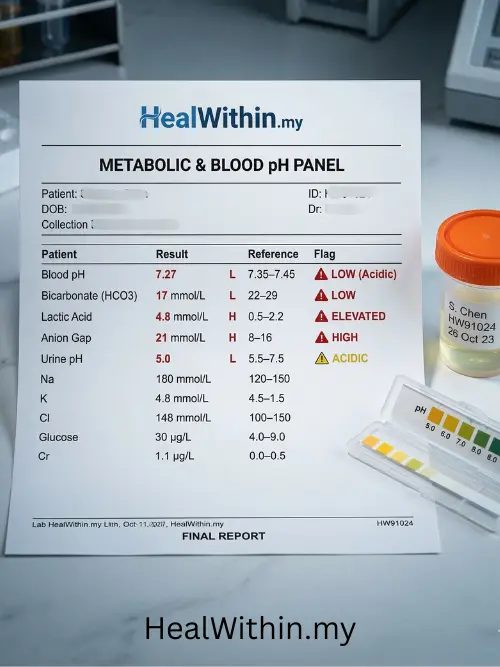
Mitochondria are the energy-generating structures inside every cell — tiny power plants that convert food and oxygen into ATP, the fuel for every process a cell performs. Mitochondrial dysfunction means they are damaged: producing less energy, and leaking free radicals that injure the cell around them. Because every organ depends on them, the failure is never confined to one disease. It appears first in the tissues that spend the most energy — and in this patient those were precisely the tissues that failed: his gut lining, his airways, his nerves.
Sources/Triggers:
Accumulated heavy metals and chemical toxins, deficiency of B vitamins, magnesium, CoQ10 and carnitine, chronic inflammation from gut dysbiosis and leaky gut, high starch and sugar intake, chronic mental stress, decades without detoxification.
Mechanism:
Mitochondrial damage is self-reinforcing, which is what makes it so destructive over decades. A damaged mitochondrion produces less energy and leaks more free radicals; those free radicals damage the mitochondrion further, and damage its own DNA. Mitochondrial DNA sits unprotected right beside the site of free radical production, without the shielding proteins that guard the DNA in the cell nucleus and with only limited repair machinery — so damage accumulates there far faster than anywhere else in the cell. Each generation of mitochondria is then built from a worse blueprint than the last. Dr Lee's assessment was that this process had been running in him for a very long time, and every major trigger of it was present simultaneously: metals, missing cofactors, chronic inflammation, high sugar, unrelieved stress.
Adult Onset Asthma — Development:
- Accumulated heavy metals and chemical toxins, deficiency of B vitamins, magnesium and CoQ10, chronic inflammation from his leaky gut, a high-sugar diet and sustained mental stress converged on the mitochondria throughout his body.
- Heavy metals bind to the sulphur groups within the electron transport chain, the assembly line that generates ATP — so output fell while free radical leakage rose.
- Those free radicals mutated his mitochondrial DNA, and each generation of mitochondria functioned worse than the one before it.
- The cells lining his airways are among the most energy-hungry in the body: their cilia beat continuously to sweep mucus upward and out, and every stroke is powered by ATP.
- As ATP production fell, ciliary clearance slowed, and mucus was retained in his airways instead of being cleared — his frequent phlegm and persistent cough.
- Energy-starved epithelial cells could no longer maintain the airway barrier or repair inflammatory damage, so injury accumulated as permanent thickening.
- Mitochondria also govern immune cell behaviour, and dysfunctional mitochondria push immune cells toward the pro-inflammatory, hyper-reactive state characteristic of asthma.
- Airways that could not clear themselves, could not repair themselves and would not stop reacting produced his wheezing, breathlessness, cough and phlegm — his adult onset asthma.
Irritable Bowel Syndrome — Development:
- The same metals, missing cofactors, gut-derived inflammation, dietary sugar and chronic stress degraded mitochondrial function throughout his digestive tract.
- The intestinal lining replaces itself every three to five days and has the highest energy demand per gram of any tissue in the body; its cells are densely packed with mitochondria for that reason.
- With ATP production falling, that constant renewal could no longer be sustained, and damage to the lining outpaced repair.
- The tight junctions sealing the lining are actively maintained structures requiring continuous energy — as ATP fell, the seals loosened independently of anything the inflammation was doing.
- Coordinated contraction of the bowel's smooth muscle is equally ATP-dependent, so his motility became weak and irregular, slowing transit and hardening the stool.
- Healthy colon cells burn butyrate using oxygen, which keeps the gut interior oxygen-free; failing mitochondria forced them to ferment glucose instead, leaking oxygen into the gut lumen.
- That oxygen favoured exactly the pathogenic bacteria driving his dysbiosis — so the energy failure fed the gut imbalance that had helped cause it.
- A lining that could not renew, seals that would not hold and motility that would not coordinate produced his irritable bowel syndrome.
Gluten Intolerance — Development:
- Toxic metal accumulation, cofactor deficiency, chronic inflammation and years of high sugar intake left the mitochondria of his intestinal cells producing a fraction of their normal energy.
- Maintaining the tight junction seals requires continuous ATP, so as energy fell the barrier opened further.
- Synthesising digestive enzymes is itself energy-expensive; with ATP scarce, his cells produced fewer of the peptidases that break gluten into harmless fragments.
- Larger, intact gluten peptides therefore survived digestion and crossed a barrier that could no longer hold them out.
- Regulatory T-cells — the immune cells responsible for tolerating harmless food proteins — depend almost entirely on mitochondrial metabolism to function.
- With their mitochondria impaired, those regulatory cells failed, and immune tolerance toward dietary proteins was lost.
- His immune system sensitised against gluten rather than ignoring it, producing the clinical gluten intolerance that then drove further inflammation and further energy failure.
Sciatica — Development:
- The same accumulated metals, nutrient deficiencies, systemic inflammation and chronic stress impaired mitochondrial function in his nervous system.
- Nerve tissue carries one of the highest resting energy demands in the body, because maintaining the electrical gradient across every axon membrane consumes ATP continuously, even at rest.
- The sciatic nerve is the longest nerve in the human body, and ATP must be transported the entire length of the axon — which is why energy failure strikes the longest nerves first and hardest.
- As the ion pumps maintaining that gradient faltered, the nerve membrane became unstable and began firing spontaneously, generating pain with no mechanical cause.
- The Schwann cells maintaining the myelin sheath are themselves energy-intensive, and as their mitochondria failed the insulation degraded.
- Free radicals leaking from the damaged mitochondria injured the surrounding nerve tissue directly, adding oxidative damage to energy starvation.
- Nerve repair is among the most energy-expensive processes the body undertakes, so the injury persisted rather than resolving — the severe, unrelenting sciatic nerve pain of his sciatica.
PHASE 2: TREATMENT
The primary objectives of the treatment:
- Treat the root-causes to the patient’s diseases.
- Optimise the condition & function of all organs.
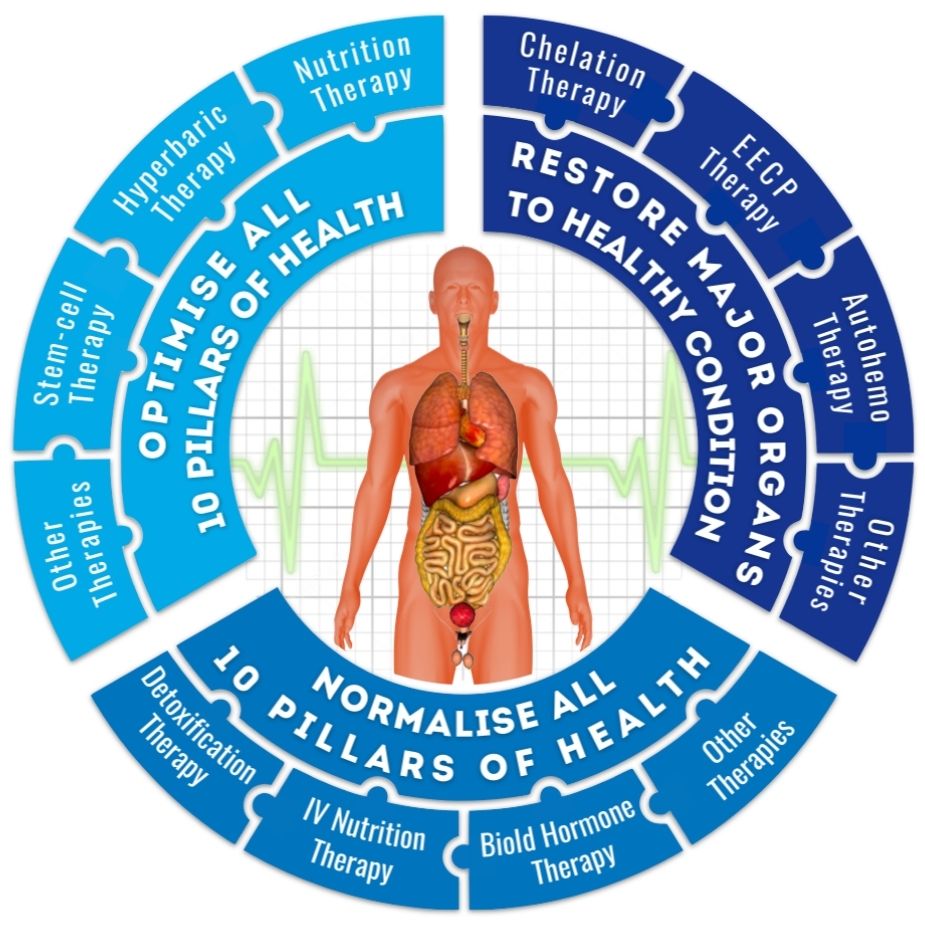
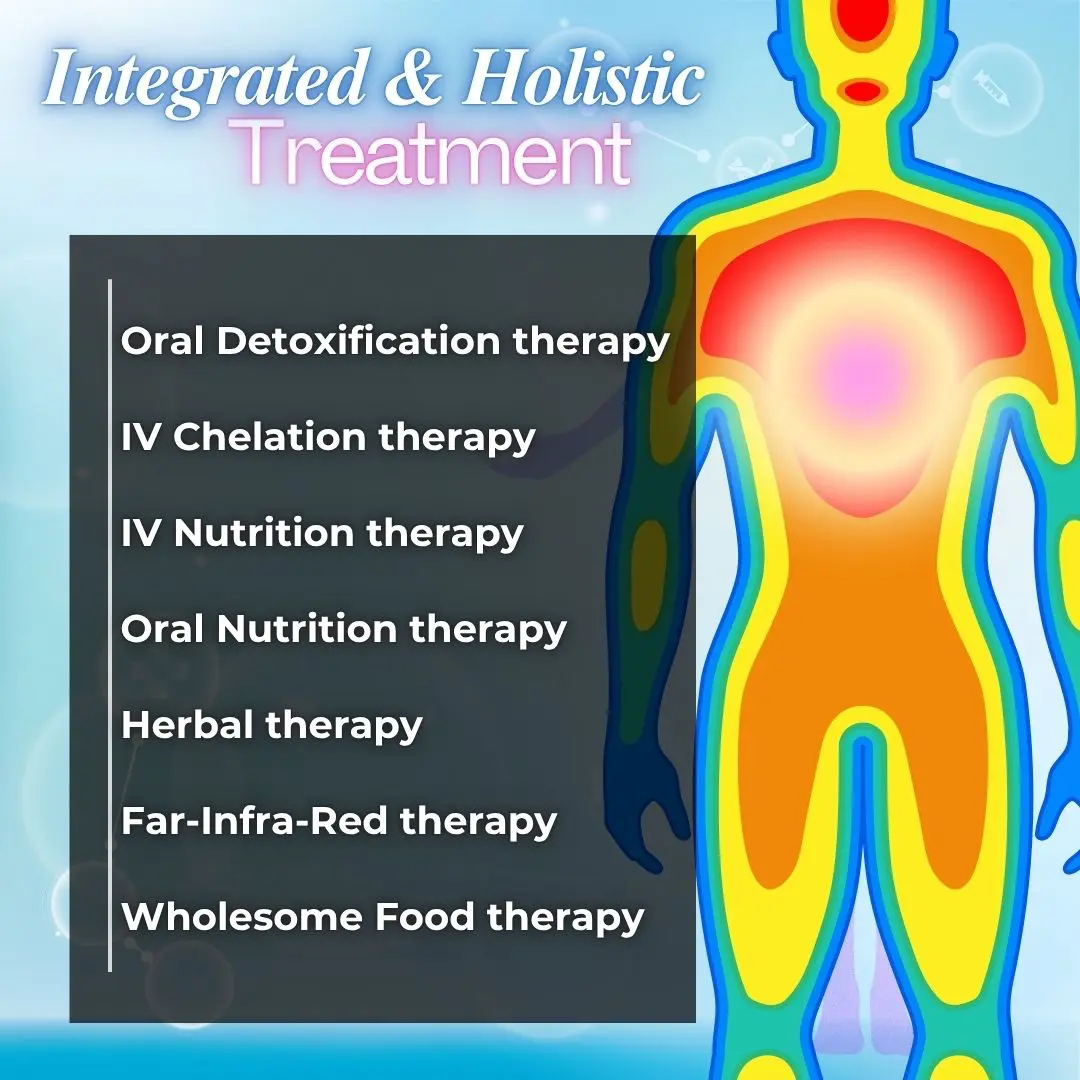
No one therapy or treatment modality can achieve these objectives alone. An integration — a strategic combination — of various therapies is necessary. This is what is called an Integrative & Holistic Treatment — and one of its most powerful characteristics is that all of this patient’s conditions were treated simultaneously, inducing healing across the whole body rather than addressing each disease in isolation.
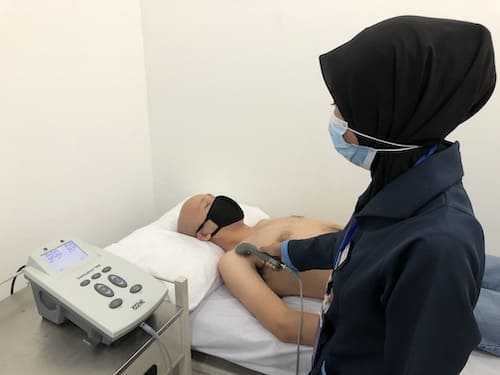
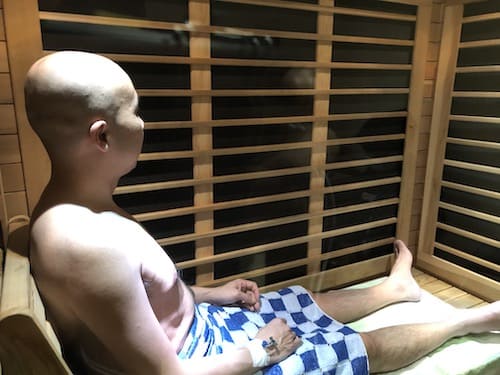
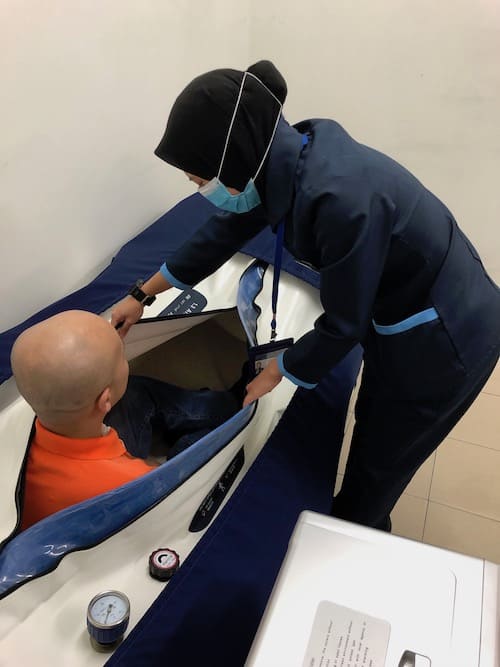
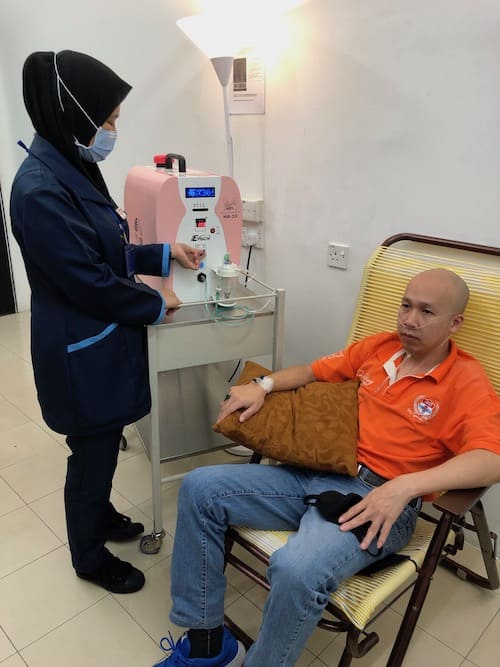
The following therapies were strategically integrated and administered to the patient:
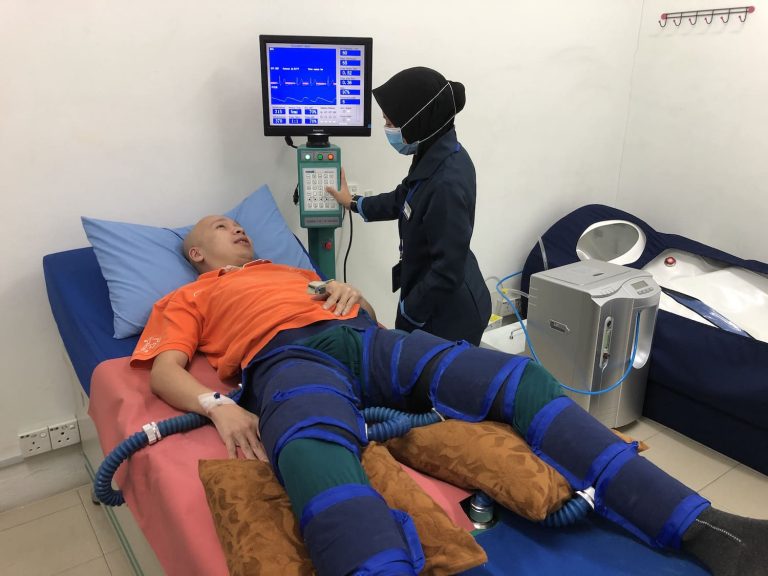
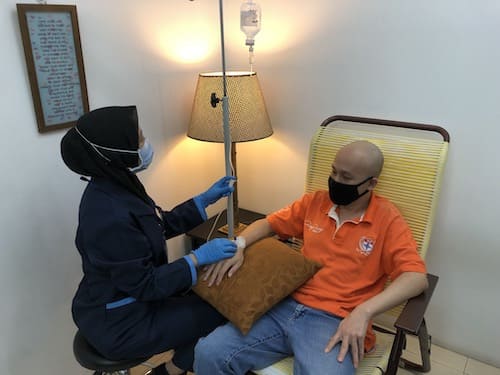
✙ Oral Detoxification Therapy
What it is:
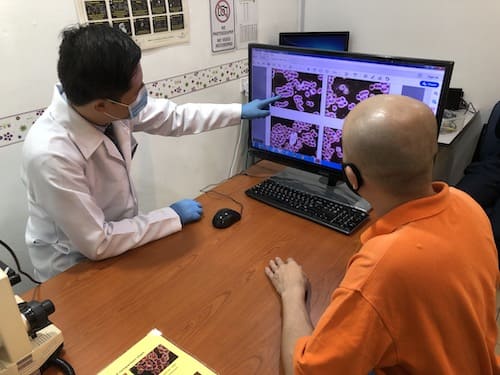
Oral Detoxification Therapy combines natural detoxification agents — herbs, essential nutrients, fats and salts, antioxidants, alkalisers, probiotics and enzymes — with oral heavy-metal binding agents, taken by mouth. It mobilises toxins out of the tissues storing them, supports the liver in processing them, and opens the channels through which they leave. It was the first therapy started and the foundation of the rest: his blood analysis showed heavy toxic deposition, his gut was both the route of entry and the organ most damaged, and he had never detoxified in his life.

Used for:
Mobilising heavy metals and chemical toxins out of fat, connective and nerve tissue.
Clearing acids, harmful bacteria, food debris and additives from the gut and colon.
Supporting the liver’s phase I and phase II detoxification pathways.
Restoring glutathione and the antioxidant reserve, so mobilised toxins are neutralised rather than redistributed.
Alkalising the blood and the tissue fluid around his gut, airway and nerve cells.
Recolonising the intestine with beneficial bacteria and restoring digestive enzyme activity.
Clearing the toxic burden from the bronchial lining sustaining his adult onset asthma.
Opening the elimination channels — bowel, kidney, skin and lymph.
Effects:
Reduction in the systemic inflammation and oxidative stress driving his adult onset asthma, irritable bowel syndrome and sciatica.
Reduced toxic load on the bronchial lining, and normalisation of the immune reactivity behind his wheezing, breathlessness, cough and phlegm.
Restoration of the gut barrier and normalisation of intestinal permeability, correcting the leaky gut beneath his gluten intolerance.
Restoration of a healthy gut microbiome and normalisation of colon function in his irritable bowel syndrome and constipation.
Reduced neurotoxic metal burden in his peripheral nerves, addressing the chemical irritation behind his sciatic nerve pain.
Normalisation of mitochondrial function as the metals poisoning the electron transport chain were cleared.
Improved absorption of nutrients across a repairing intestinal lining.
✙ Oral Nutrition therapy
What it is:
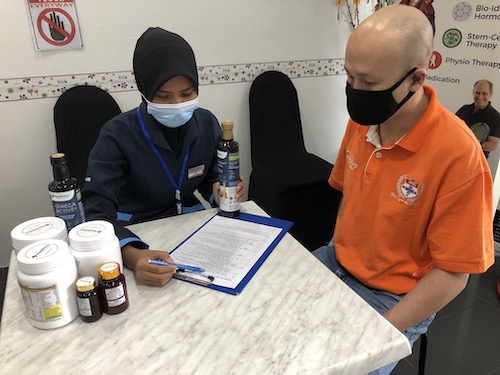
Oral Nutrition Therapy delivers essential nutrients — vitamins, minerals, amino acids, essential fats and antioxidants — isolated from food, herbs and sea-plants, concentrated into powders, capsules and liquids, and taken by mouth. It replenishes what the body has been deprived of and restores the cofactors its enzymes need to work. In this patient it was dosed against measured deficiency rather than guessed: his vitamin D was tested before it was replaced. Because his absorption was impaired, it was given alongside the therapies repairing his gut, so that what he took could actually reach his cells.

Used for:
Replenishing the depleted essential nutrients across his blood, tissue fluid and cells.
Restoring vitamin D to therapeutic level, re-establishing the regulatory immune tolerance lost in his adult onset asthma.
Supplying the zinc, glutamine and vitamin A required to rebuild the intestinal lining and reseal its tight junctions.
Replenishing the mitochondrial cofactors — B vitamins, magnesium, CoQ10, carnitine — required by the electron transport chain.
Restoring the B vitamins on which myelin synthesis and maintenance in his sciatic nerve depend.
Rebuilding the antioxidant reserve, principally glutathione and vitamin C, to neutralise free radicals at the point they are produced.
Restoring magnesium to the smooth muscle of his airways and bowel, where it governs relaxation.
Correcting the omega-3 balance that determines inflammatory signalling in his bronchial lining.
Effects:
Normalisation of immune regulation and reduction of the airway hyper-reactivity underlying his adult onset asthma.
Reduction in systemic inflammation and oxidative stress across his airways, bowel and nerve tissue.
Restoration of intestinal barrier integrity and normalisation of permeability, addressing the leaky gut beneath his gluten intolerance.
Normalisation of gut lining renewal and of digestive enzyme activity in his irritable bowel syndrome.
Normalisation of bowel motility and smooth-muscle function, addressing his constipation.
Normalisation of mitochondrial function and cellular energy production throughout his organs.
Restoration of myelin integrity and nerve conduction, addressing the mechanism behind his sciatic nerve pain.
Improvement in ciliary clearance in the airway lining, addressing his frequent phlegm and persistent cough.
Normalisation of liver function and of its detoxification capacity.
Induction of healing, repair and rejuvenation of cells across all diseased organs and glands.
✙ Herbal Therapy
What it is:
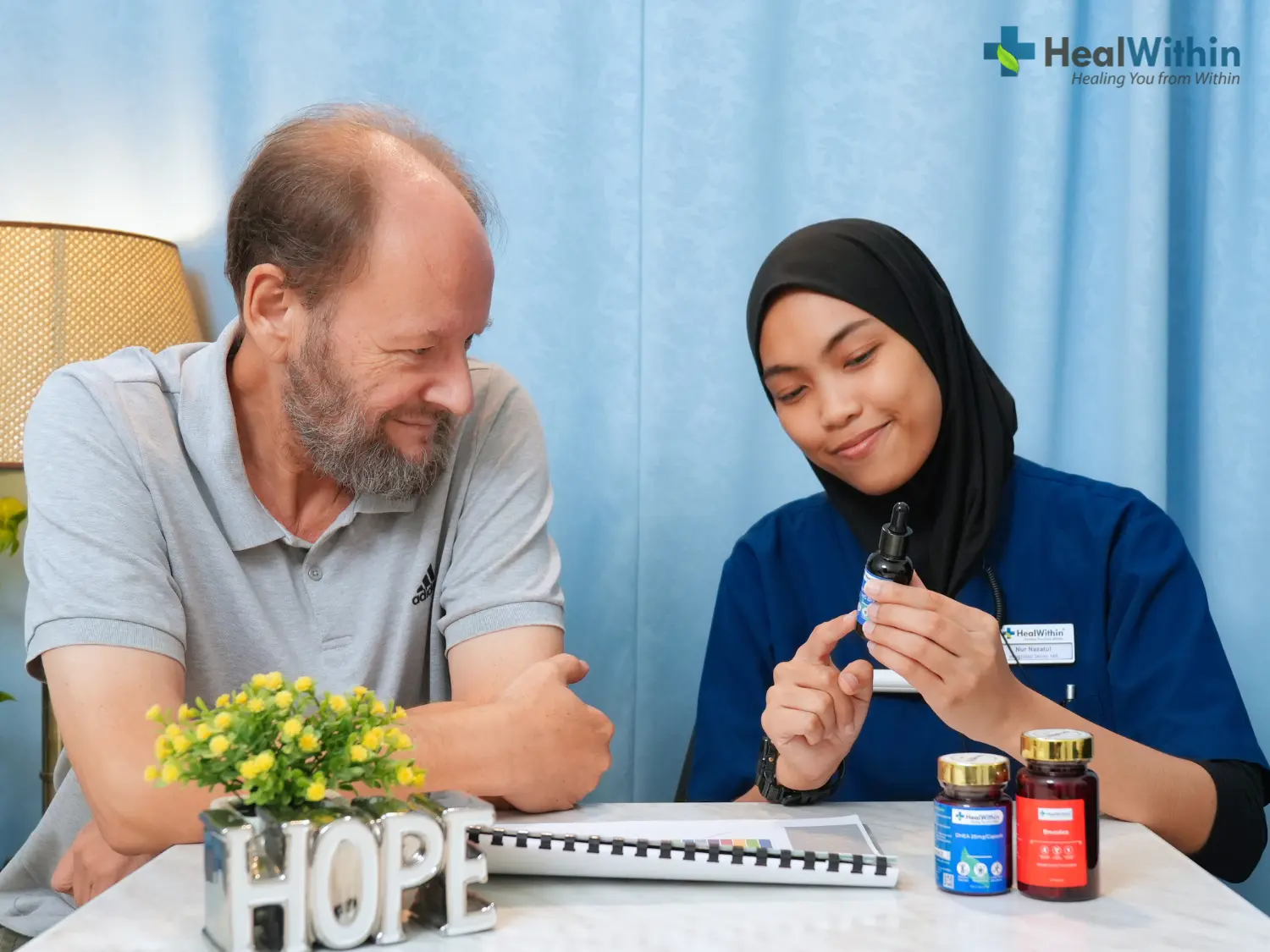
Herbal Therapy uses concentrated extracts of medicinal herbs, in powder-capsule and liquid form, taken by mouth. Herbs work differently from isolated nutrients: rather than replacing a missing molecule, they modulate how an organ behaves — calming inflammation, supporting the liver, rebalancing gut flora, restoring endocrine function. This is the gap Dr Lee describes conventional medicine as unable to reach — where a drug suppresses a process, a herb can correct the function driving it. In this patient they were directed chiefly at the inflammation in his gut and lungs, and at his hormonal imbalance.
Used for:
Modulating and reducing inflammatory activity in his gut lining and bronchial mucosa.
Rebalancing the gut microbiome and improving gut and colon function.
Supporting liver function, bile production and detoxification capacity.
Normalising endocrine gland function and restoring balance to his hormone levels.
Supplying plant antioxidant and anti-inflammatory compounds that act where isolated nutrients cannot.
Calming the immune hyper-reactivity of the airway lining in his adult onset asthma.
Supporting nervous regulation and the stress response that had been feeding his gut dysbiosis.
Replenishing essential nutrient complexes in their naturally occurring plant forms.
Effects:
Reduction in systemic and local inflammation across his airways, bowel and nerve tissue.
Normalisation of airway immune reactivity and mucus production in his adult onset asthma.
Normalisation of gut microbiome balance and colon function in his irritable bowel syndrome.
Restoration of the intestinal lining and normalisation of permeability, addressing his gluten intolerance.
Normalisation of endocrine function and restoration of balance in his hormone levels.
Normalisation of liver function and enhancement of systemic cellular detoxification.
Normalisation of nervous regulation, reducing the stress-driven inflammation sustaining his gut dysbiosis.
Normalisation of mitochondrial function and metabolism.
✙ Bio-identical Hormone Therapy
What it is:
Bio-identical Hormone Therapy uses hormones derived from plant sources and synthesised to match the exact chemistry of the body’s own, so they are recognised and used as the body’s own rather than as substitutes. In this patient Dr Lee identified mild adrenal insufficiency — the endocrine signature of decades of sustained mental pressure — and a thyroid working below its optimum. Both were corrected. Because hormones govern immune regulation, tissue repair and energy metabolism, restoring them lifted the whole system and allowed the other therapies to take hold.

Used for:
Replenishing his depleted adrenal hormones and correcting the mild adrenal insufficiency produced by years of sustained stress.
Optimising thyroid function, and with it the metabolic rate governing energy production in every cell.
Restoring proper regulation of hormone receptors across his endocrine system.
Re-establishing the cortisol rhythm that governs immune regulation and the daily control of inflammation.
Restoring the hormonal control of immune tolerance underlying the airway hyper-reactivity of his adult onset asthma.
Normalising the endocrine signalling that governs gut motility, secretion and intestinal lining integrity.
Supporting the hormonal regulation of tissue repair and cellular rejuvenation.
Restoring proper regulation of his circadian rhythm, and with it sleep and recovery.
Effects:
Normalisation of endocrine function and restoration of balance across his hormone levels.
Restoration of the cortisol rhythm regulating inflammation, reducing the airway inflammation of his adult onset asthma.
Optimisation of immune function and immune regulation.
Normalisation of metabolic rate and cellular energy production following thyroid optimisation.
Normalisation of gut motility and secretion in his irritable bowel syndrome and constipation.
Improvement in the rate of tissue repair and cellular rejuvenation across his gut lining, airways and peripheral nerves.
Proper regulation of his circadian rhythm, and improvement in sleep and recovery.
Increased energy and stabilisation of mood.
Optimisation of nutrient absorption, detoxification and homeostasis.
✙ Wholesome Food therapy
What it is:
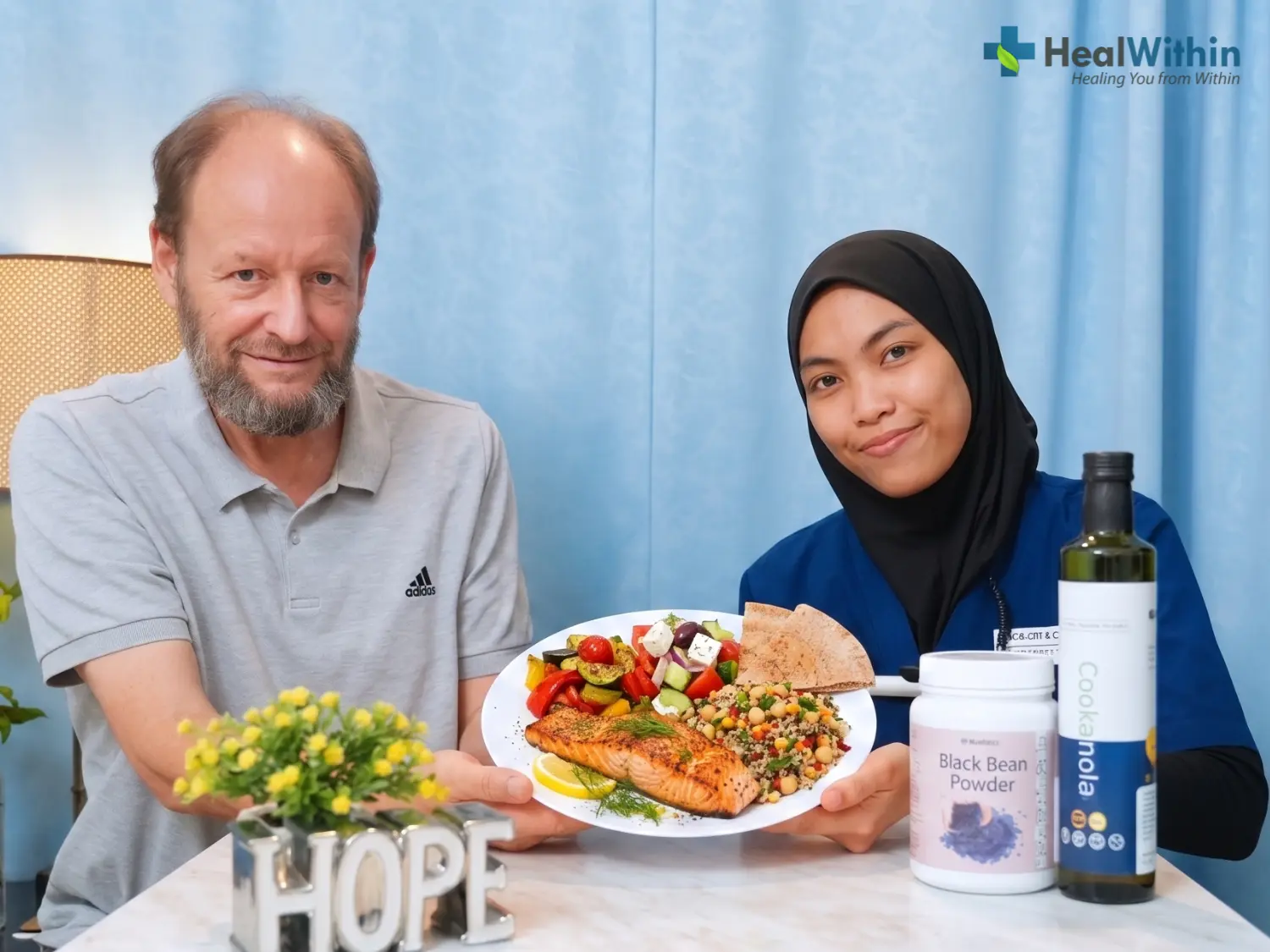
Wholesome Food Therapy combines a concentrated powder form of whole and organic foods, with omega-oil blends, alongside a corrected diet of healthy, appetising meals. In this patient it carried the single most decisive change of the entire treatment: the removal of bread and wheat. Dr Lee identified them as the food continually triggering the inflammation in his gut, and told him plainly that no amount of treatment would hold while he kept eating them. He stopped, and the difference showed quickly enough that he needed no persuading to continue.
Used for:
Removing wheat and gluten, the dietary trigger continually driving inflammation in his gut lining.
Removing the acidic, high-starch, high-sugar and processed foods feeding his dysbiosis.
Replenishing deficient essential nutrient complexes in whole-food form across all organs and glands.
Normalising the pH of his blood and tissue fluids.
Enhancing the bio-availability and absorption of the nutrients delivered by the other therapies.
Supplying the omega-3 fats that govern inflammatory signalling in his bronchial lining and gut.
Preventing accidental consumption of toxic food substances and additives.
Sustaining the corrected gut environment, so that the gains made by detoxification and nutrition were not undone at the next meal.
Effects:
Removal of the continuous inflammatory trigger sustaining his gut dysbiosis and, through it, his adult onset asthma.
Reduction in systemic inflammation and oxidative stress across his airways, bowel and nerve tissue.
Restoration of a healthy gut microbiome and normalisation of gut and colon function in his irritable bowel syndrome.
Restoration of the intestinal barrier and normalisation of permeability, addressing his gluten intolerance at its dietary source.
Normalisation of bowel motility and transit, addressing his constipation.
Optimisation of the absorption of nutrients administered through Oral Nutrition therapy into the cells of all organs and glands.
Optimisation of immunity and of the immune regulation governing his airway reactivity.
Induction of healing, repair and rejuvenation of cells across all diseased organs and glands.
PHASE 3: POST-TREATMENT TESTS & RESULTS
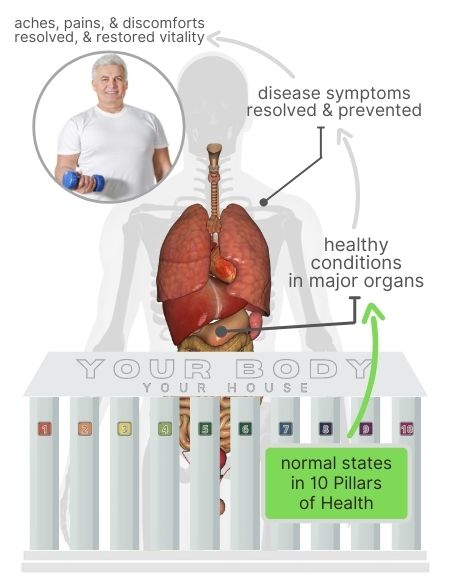
All ten of this patient's diagnosed conditions were treated together, as one body, rather than one disease at a time. Whole-body healing of this kind is the direct result of resolving the shared root causes beneath every one of them.
1. Vitality Factors
*100% represents highest optimal level for patients’s genetics, gender & age.
2. Disease Symptoms
- Wheezing - Resolved 80%.
- Breathlessness - Resolved 100%.
- Frequent phlegm - Resolved 100%.
- Persistent cough - Resolved 100%.
- Constipation - Resolved 100%.
- Sciatic nerve pain - Resolved 100%.
- Urination difficulty - Resolved 100%.
3. Medical Conditions (Diseases)
- Adult onset asthma - Resolved 80%.
- Irritable bowel syndrome - Resolved 100%.
- Gluten intolerance - Resolved 100%.
- Sciatica - Resolved 100%.
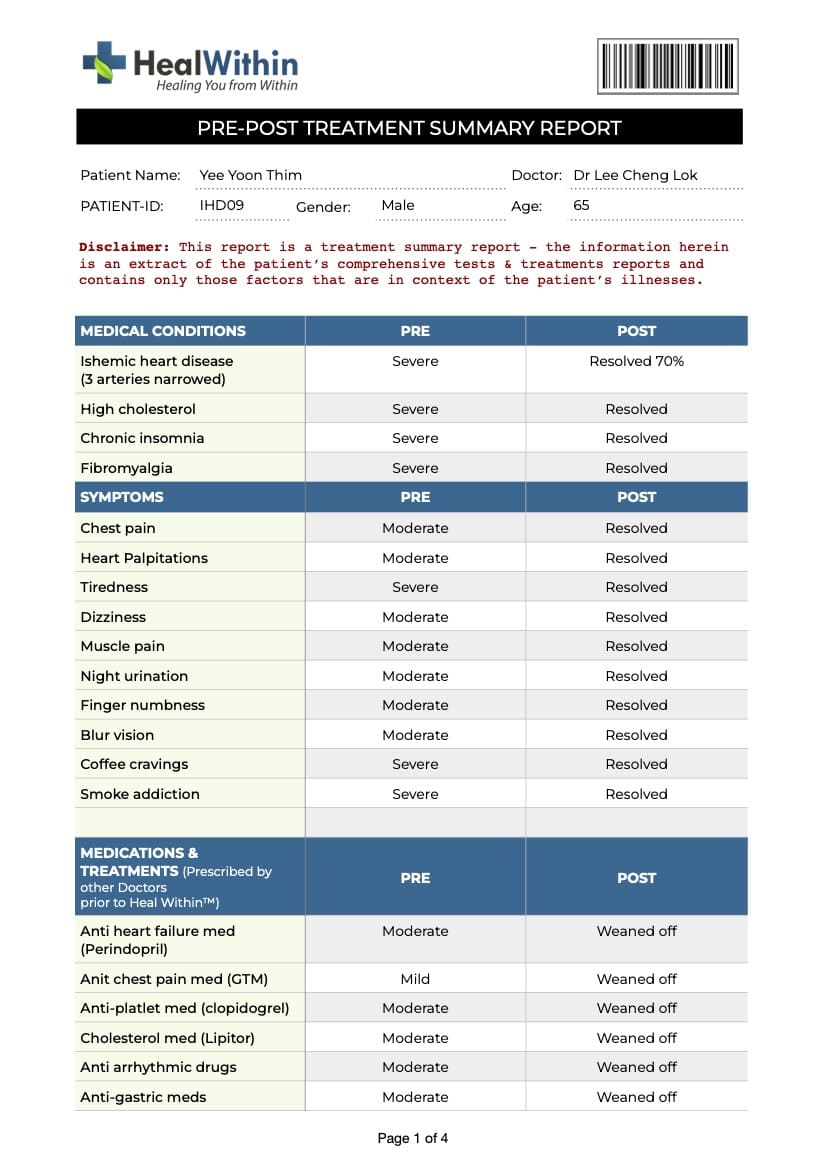
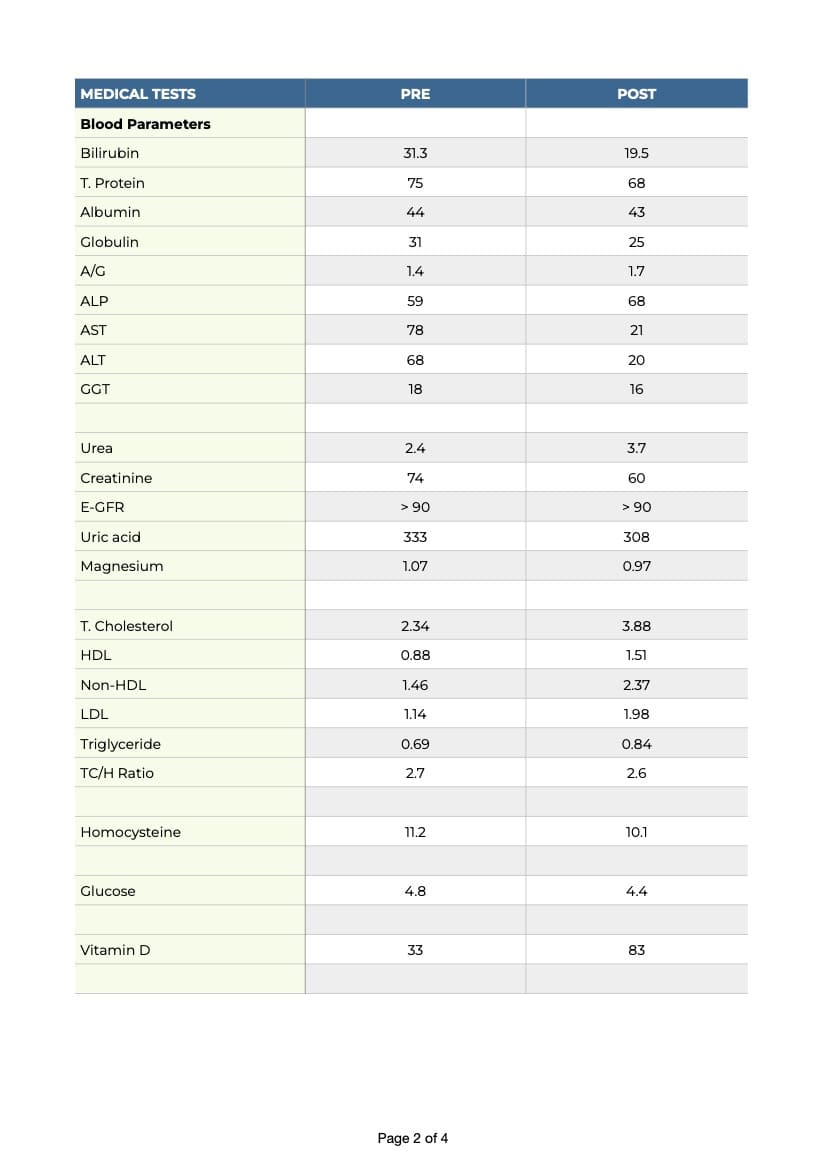
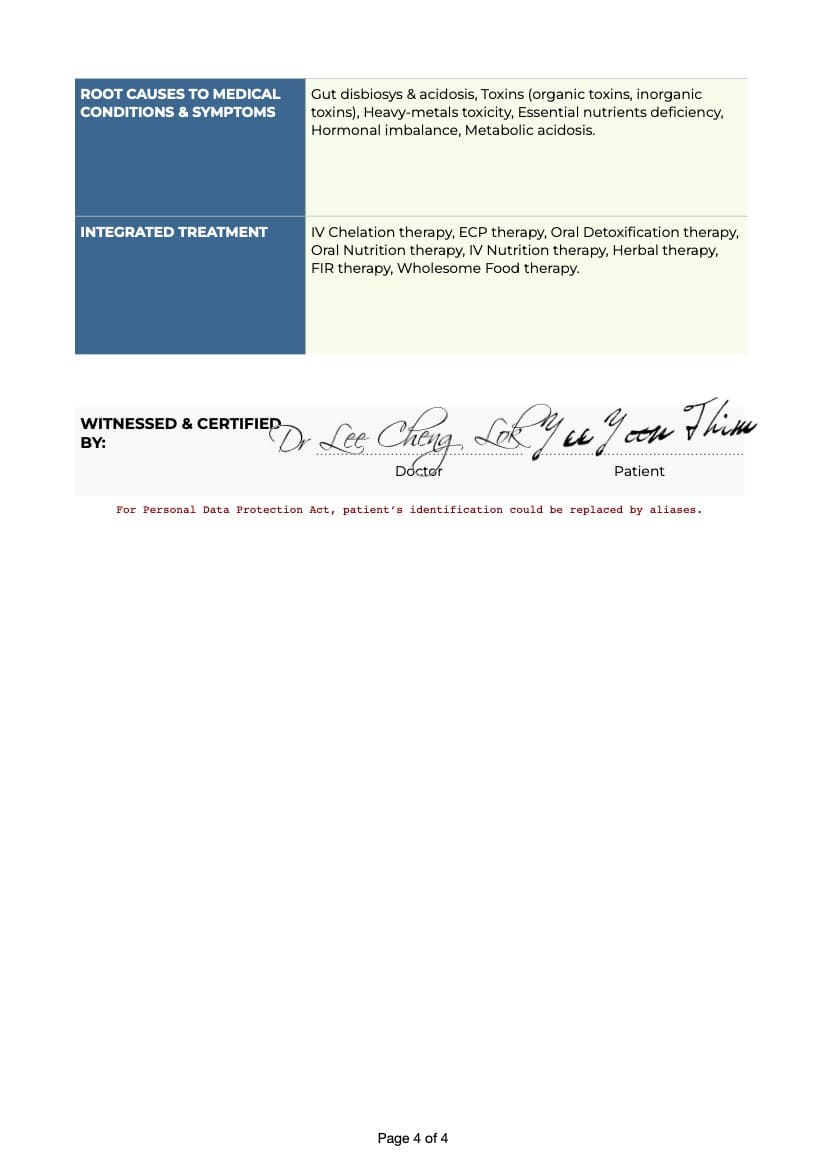
MEDICAL TEST REPORTS
*Click/Tap each image to enlarge-view”.

Dr Lee's
Integrated & Holistic
CHRONIC DISEASE
TREATMENT PROGRAM

Holistic
Healing

Recurrence Prevention

Long-term
Wellbeing

Cancer | Heart Diseases | Blood Vessel Diseases | Stroke | Brain & Nervous System Diseases | Endocrine Diseases | Diabetes | Auto-Immune Diseases | Liver Diseases | Kidney Diseases | Gallbladder Diseases | Digestive Diseases | Reproductive Diseases | Respiratory Diseases | Bone & Joint Diseases | Muscular Diseases | Skin Diseases | ENT Diseases | Hormonal Problems | Weight problems | and more…